Chardonnay vinified in clayver: the benefits of this method

Bottiglia Chardonnay Bel Amì

Elegant and sophisticated, Chardonnay is a wine that masterfully combines freshness, aromatic finesse and structure, winning over vineyards in France and Italy for centuries.
In this article, we’ll explore the key characteristics that make Chardonnay so widely appreciated, with a special focus on the most distinctive vinification methods, such as Clayver fermentation, chosen by Boroli to enhance its elegance, balance, and longevity. This method is at the heart of an exciting new project set to unveil its results in October.

What Kind of Wine Is Chardonnay?

Chardonnay is a grape variety native to Burgundy, a famous French region renowned for its fine wines, loved and recognized on tables around the world.
What makes Chardonnay so popular with wine lovers is its extraordinary adaptability to different soils and climates, combined with its ease of vinification.

Cantine Boroli offers a variety of Chardonnay called “Langhe Chardonnay Bel Amì” whose name is inspired by Guy de Maupassant’s 1885 novel, particularly dear to Mrs. Elena, Achille Boroli’s mother. The distinctive feature of this wine is that the grapes are harvested entirely by hand in the vineyard a few steps from the winery and macerated for 24/48 hours after careful selection to promote the extraction of characteristic aromas. To enhance the natural balance between minerality and freshness, key elements of this wine’s stylistic identity, the aging in wood is deliberately rapid and non-invasive.

Characteristics of Chardonnay wine

The characteristics of Chardonnay wine vary greatly depending on where it is produced, based on the soil, climate and winemaking style, but there are some common traits that make it recognizable and highly appreciated internationally.
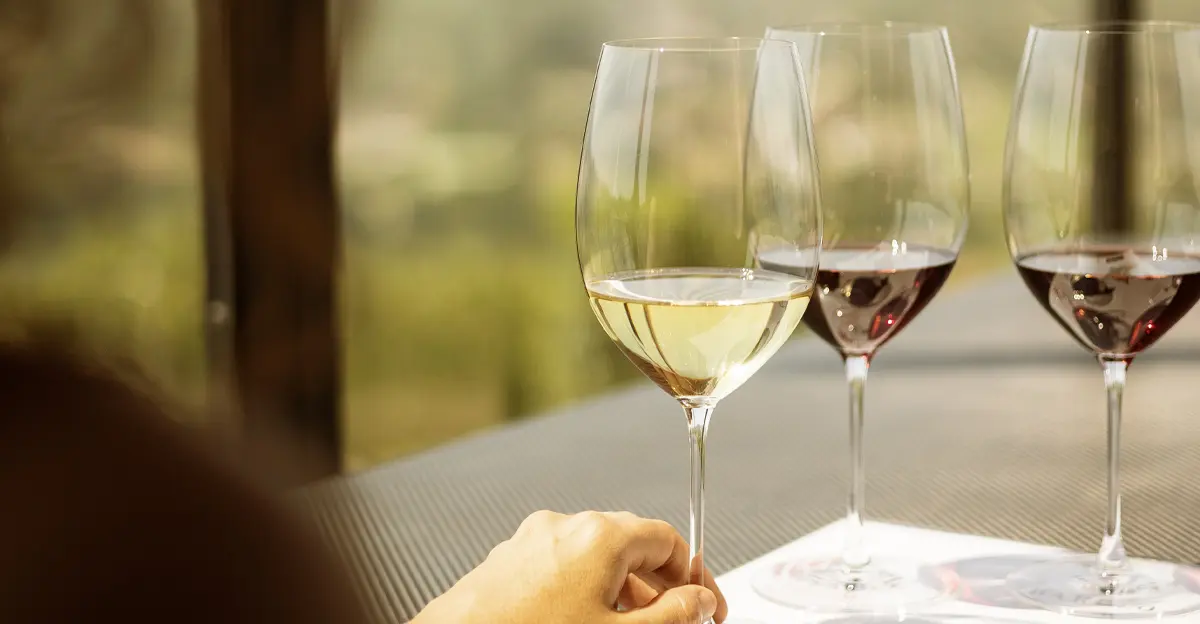
Visually, it is a straw-yellow wine with light green or golden reflections depending on the aging process.
The bouquet is very fruity, with hints of white fruit and citrus, but with a tendency towards tropical fruit when produced in warmer climates or buttery and nutty notes when aged in barriques. Finally, the taste is dry, smooth and round, characterized by good acidity and freshness on the palate and a fruity or mineral finish depending on the terroir. It has a medium or full body, perfect for pairing with different dishes.

Food pairings

The pairing of Chardonnay wine with food is very interesting, perhaps one of the most stimulating in the wine world. The wide range of aromatic components, influenced by the soil and climate in which it is grown, makes this wine ideal for food pairings ranging from the simplest to the most structured dishes.

Still Chardonnay pairs perfectly with fish dishes, white meats, delicate first courses and medium-aged cheeses. When vinified using the classic method, Chardonnay produces elegant and complex sparkling wines, perfect for accompanying refined aperitifs, raw seafood, light fried foods, and haute cuisine dishes. In its passito version, Chardonnay reveals a sweet and deep soul, with notes of dried fruit and honey, perfect especially with blue cheeses, foie gras or dry or creamy desserts.

White wine vinification

White wine vinification is a particular winemaking process that includes all the stages involved in the production of wine starting from the must, the juice obtained from pressing the grapes after harvesting.
It consists of fermenting only the must, without leaving the juice in contact with the solid parts of the grape, thus obtaining clear, delicate wines with low tannin content.

Stages of white wine vinification

White wine vinification consists of several stages:

  • Crushing
  • Destemming
  • Draining
  • Pressing

After harvesting, the grapes are gently pressed and the must is immediately separated from the skins (pomace) and seeds (pips) during the destemming stage.
The skins are rich in substances that determine the final color, while the seeds contain tannins, which are primarily responsible for the astringent taste of wine combined with a sensation of dryness on the palate and gums. By quickly separating the solid parts, a white wine is obtained that is free of significant tannins and has a clear, limpid color, with the soft and delicate taste typical of Chardonnay.

This is followed by the draining phase, which is fundamental in white winemaking, during which the free-run juice (the most prized liquid part) is separated from the remaining solid parts, minimizing contact between the juice and the skins. The pomace is then sent to the pressing stage to extract the residual must. The latter is clarified by decanting or filtration to ensure the finesse and purity of the final wine.

Chardonnay winemaking process

Capable of adapting to different winemaking styles, Chardonnay can be vinified in three main versions: still, sparkling and passito, all three vinified in white, but with some variations.
Still Chardonnay is fermented in steel for a dry and fruity profile, or in barriques for a softer, more complex and enveloping style.
In the sparkling version, on the other hand, the classic method is the undisputed star of the wine scene: a second fermentation in the bottle and a long aging on the lees give fine, elegant bubbles, accompanied by citrus and bread crust notes.
Finally, in passito wines, the grapes are left to dry before vinification, resulting in a sweet and intense wine with hints of dried fruit, honey, and spices.

Chardonnay vinification in Clayver: the Boroli method

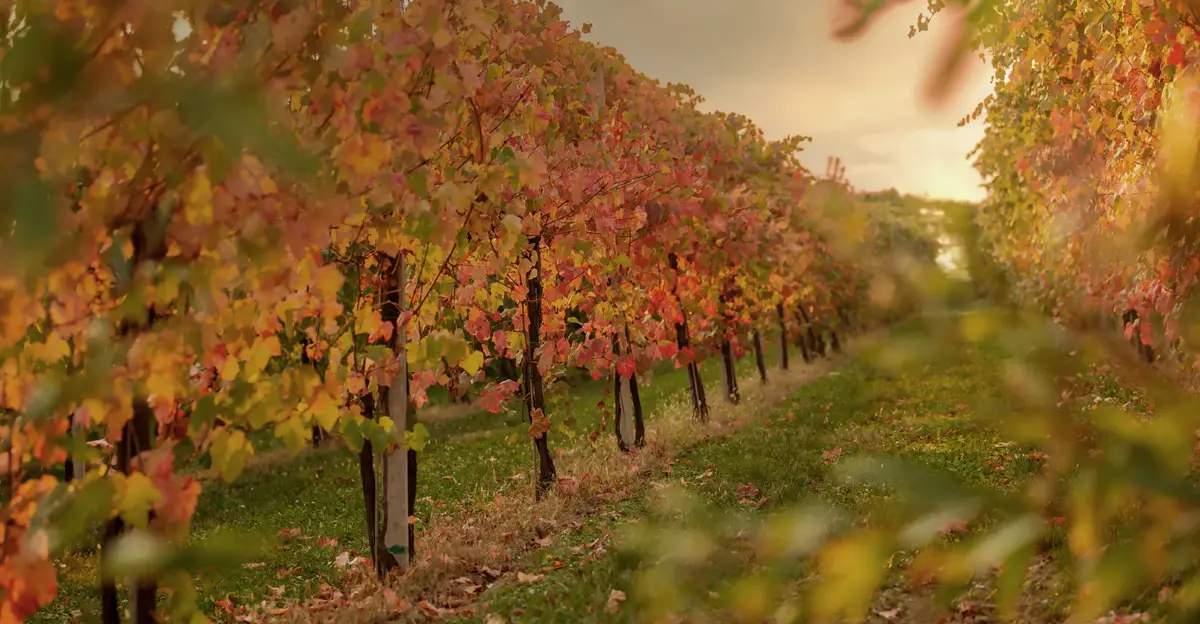
A new Chardonnay wine is at the heart of the Boroli winery’s experimental project, which has chosen to vinify a small batch in Clayver from a historic vineyard planted in the early 1990s, located between Villero and Bricco Fiasco, in the heart of the Langhe. The white marl soil, a sedimentary rock typical of the area, gives the Chardonnay freshness, minerality, and body.

After an initial natural fermentation in steel, the wine undergoes a long aging on fine lees in Clayver, a ceramic container specifically designed for winemaking, enhancing the grapes and promoting the aromatic and gustatory balance of the final product. Currently, the Boroli Cellars are awaiting the natural completion of malolactic fermentation, while working regularly with the fine lees to give the wine structure and complexity.

Production is deliberately limited: only two Clayvers were used, making this first vintage a micro-production useful for thoroughly evaluating the potential of the small vineyard. Bottling is scheduled for September and October.

What is Clayver and what is it made of?

Clayver is a high-density technical ceramic container used for wine fermentation and aging. Unlike wooden barrels, Clayver does not release woody or tannic notes, but still allows a constant and controlled supply of oxygen to the wine. This allows the product to ‘breathe’ over time, promoting evolution and longevity without interfering with the purity of the aromatic profile. This tool combines the aromatic neutrality of steel with the controlled porosity of terracotta, offering an elegant and sophisticated way to obtain fresh and refined wines.

The benefits of Clayver vinification

Clayver vinification offers numerous advantages:

  • it promotes slow and constant evolution thanks to micro-oxygenation;
  • it does not alter the natural aromatic profile of the wine, unlike wood;
  • it improves structure and balance thanks to prolonged work on the lees;
  • it enhances freshness and minerality.

These characteristics make Clayver the perfect tool for those seeking a clean, elegant and authentic expression of the grape variety, leaving room for the territory and the raw material.

The Boroli winery’s Clayver winemaking philosophy

Thanks to Clayver winemaking, Boroli aims to achieve finesse, elegance, and freshness through a winemaking process that respects the nature of Chardonnay grapes and the terroir. The chosen vineyard is located in a cool and strategic position, with soil capable of transmitting minerality and savory tension, balanced by a natural and material sweetness that is expressed without excess.

If you are looking for a place to savor the art of winemaking in the Langhe region, the Boroli Winery is the perfect place. Here you can find authentic wine produced with grapes sourced directly from the surrounding vineyards and enjoy the view from an authentic and unique terrace overlooking the Langhe. Visit the website and discover the itinerary that suits you best.

VISIT THE
WINERY

The Boroli cellars, located in Castiglione Falletto, are the perfect place to experience the magical territory of the Langhe through tasting experiences and to enjoy an unforgettable experience of discovery and great wine.

More Post

Food and wine experience in the Langhe region at the Boroli Winery
Abbinamento-vino-e-tartufo
Rete ombreggiante antigrandine vigneto