How to get to the Langhe region
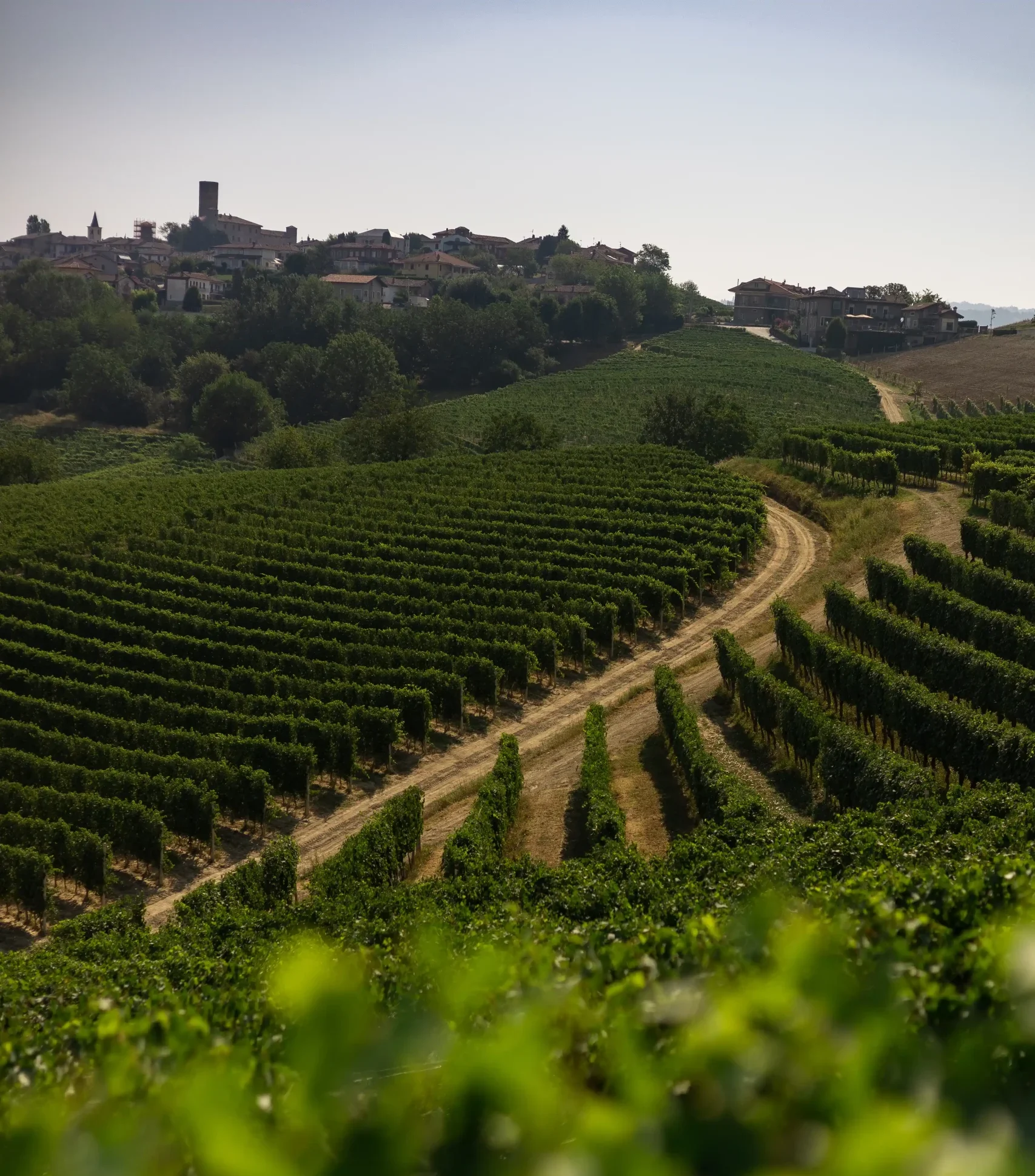
The Langhe is a region in Piedmont, located between the provinces of Cuneo and Asti, and is part of the “Vineyard Landscapes of Langhe Roero Monferrato,” recognized as a UNESCO World Heritage Site for their extraordinary cultural, scenic, and wine-growing value.
Thanks to its strategic geographical position, this area is easily accessible by car, train, or bus from some of the main cities in Northern Italy:
- Turin:
– By car: you can reach the area by taking the A6 Turin-Savona motorway, exiting at Marene-Cherasco and continuing towards Alba or Barolo.
– By train: depart directly from Turin Porta Nuova station to Alba.
– Bus: there are bus lines to Alba operated by GTT with stops in Carmagnola and Bra.Milan:
– By car: take the A7 Milan–Genoa or A21 Turin–Piacenza motorways, exit at Asti Est and continue towards Alba.
– By train: from Milano Centrale, take the train to Asti and then change for Alba.Genoa:
– By car: follow the A26 Genoa–Gravellona Toce to the junction with the A33 Asti-Cuneo, towards Alba or Bra.
– By train: there are departures for Asti from Genoa Piazza Principe, then take the connection to Alba.
What to see in the Langhe between culture and panoramic views
The Langhe is perfect for itineraries combining wine and culture, a territory where every stop becomes an experience and every view tells a story.
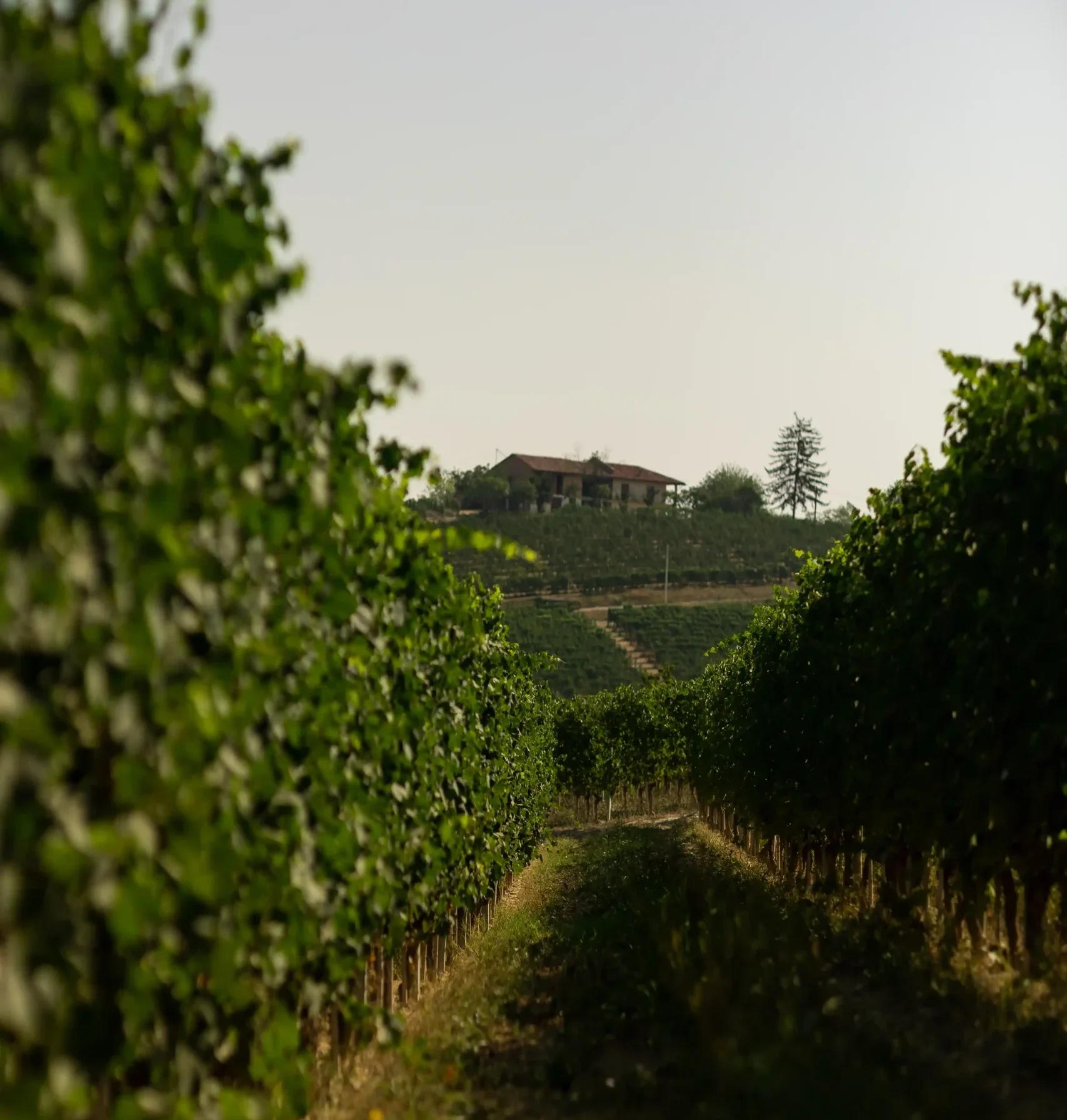
Nestled among rolling hills and fragrant vineyards, this unique landscape is home to villages that seem suspended in time, each with its own secret: a fragment of history, tradition and wine culture.
For those who love the slow life, the Langhe is an invaluable treasure: medieval towers, panoramic castles and nature trails alternate with UNESCO World Heritage sites and food and wine itineraries that transform the area into a veritable living painting.
Among the experiences not to be missed are the viewpoints of La Morra and Grinzane Cavour, perfect for admiring the rows of vines with the Alps in the background.
There is also no shortage of historic castles, such as those of Barolo and Serralunga d’Alba, symbols of a noble past that continues to define the charm of these places.
Neive deserves a special mention, listed among the most beautiful villages in Italy, with its cobbled alleys and historic cellars that tell the living memory of the area.
For wine tourism enthusiasts, a must-see is the WiMu, the Wine Museum inside the Castle of Barolo, a multisensory journey into wine culture.
Finally, Alba, capital of the Langhe and home of the white truffle, surprises with a historic center rich in towers, cathedrals, and medieval arcades, where every corner smells of authenticity.
Authentic wine and food experiences
The Langhe region offers a range of experiences designed for those who want more than just a tourist visit, but a true immersion in the authentic flavors of traditional Piedmontese cuisine. Among the most recommended experiences, don’t miss wine tastings in small family-run wineries, the true heart of this area.
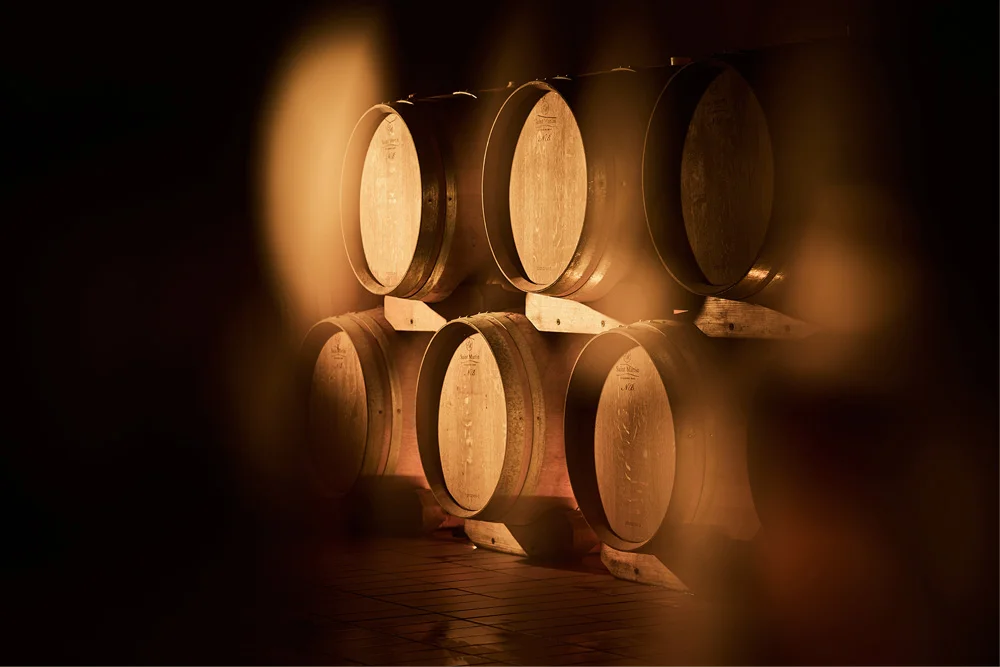
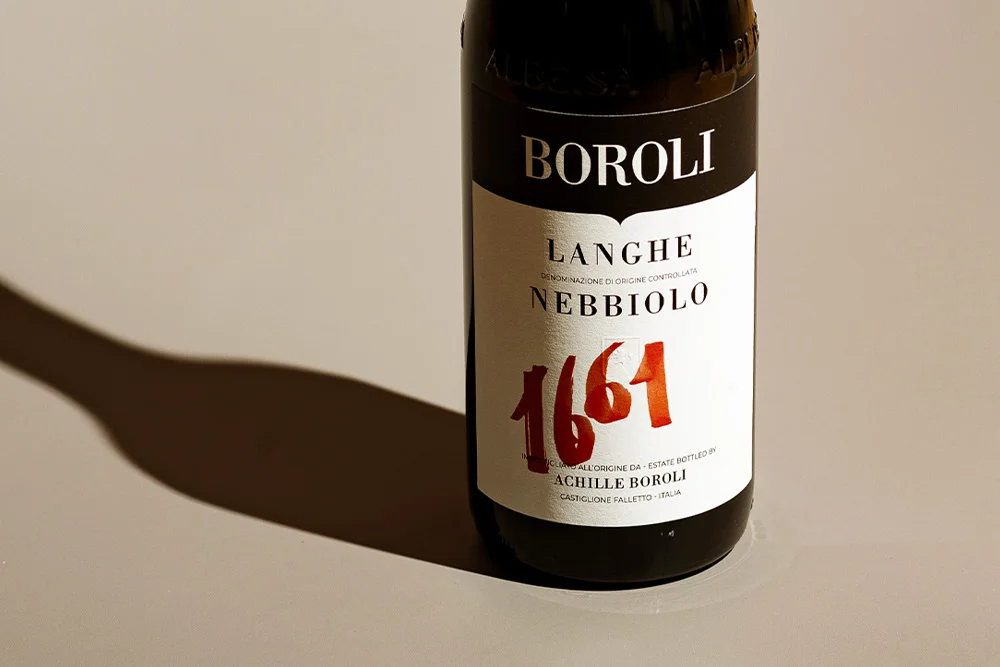
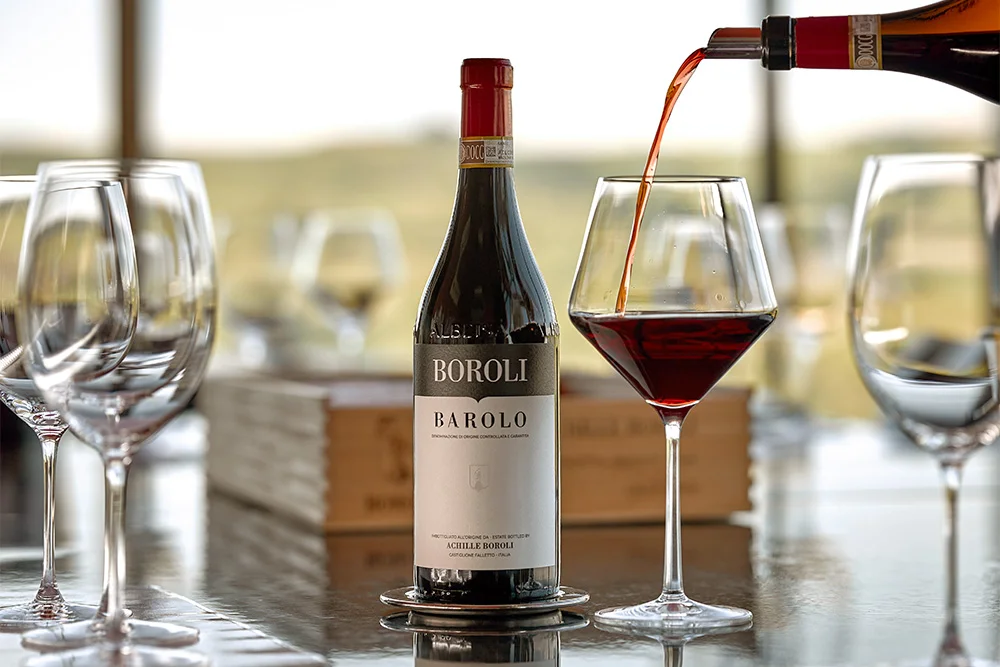
An example of excellence in this field is represented by Cantine Boroli in Castiglione Falletto (Cuneo), where you can take part in tasting sessions and guided tours to discover unique wines that are an authentic expression of the Langa terroir.
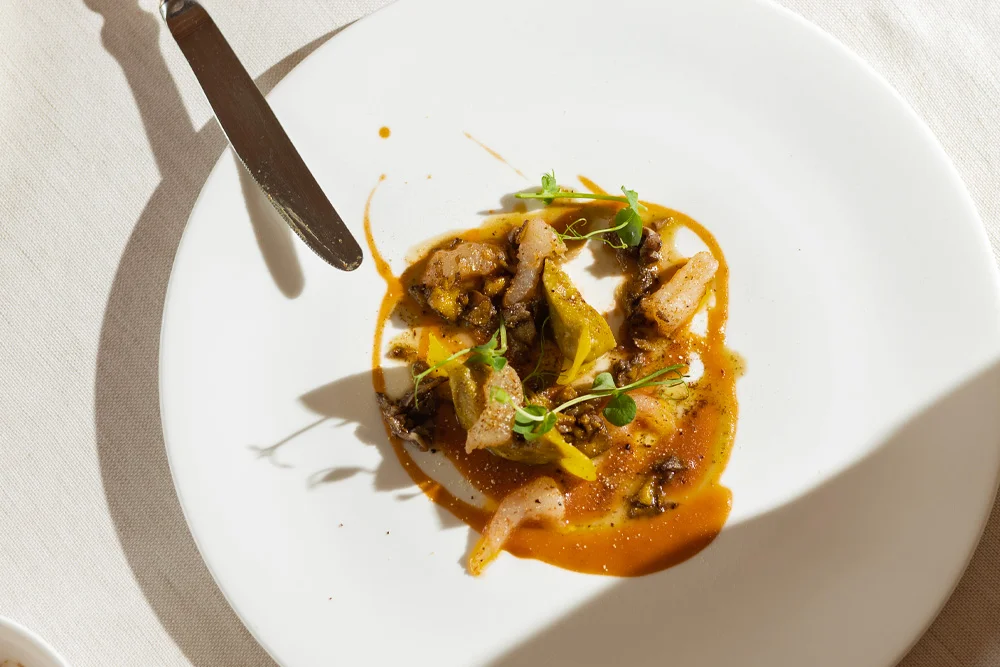
For those who want to deepen their knowledge of local cuisine, there is no shortage of dinners and lunches in farmhouses and restaurants in the area, such as the Locanda del Pilone, a gastronomic excellence located on the outskirts of Alba and owned by Boroli.
With its cuisine, the Locanda celebrates the authentic flavors of the Langhe, with dishes that enhance every detail (from aroma to composition to nuances of taste). It is the ideal place for an intimate dinner or a special occasion, where tradition meets elegance.
Sports and nature lovers can explore the hills by bicycle, enjoying the autumn colors that transform the vineyards into a mosaic of shades.
Those looking for a more traditional experience can try truffle hunting, one of the most popular activities among locals and an authentic symbol of the soul of the Langhe. The perfect combination of land, aroma and passion.