What Kind of Wine Is Chardonnay?
Chardonnay is a grape variety native to Burgundy, a famous French region renowned for its fine wines, loved and recognized on tables around the world.
What makes Chardonnay so popular with wine lovers is its extraordinary adaptability to different soils and climates, combined with its ease of vinification.
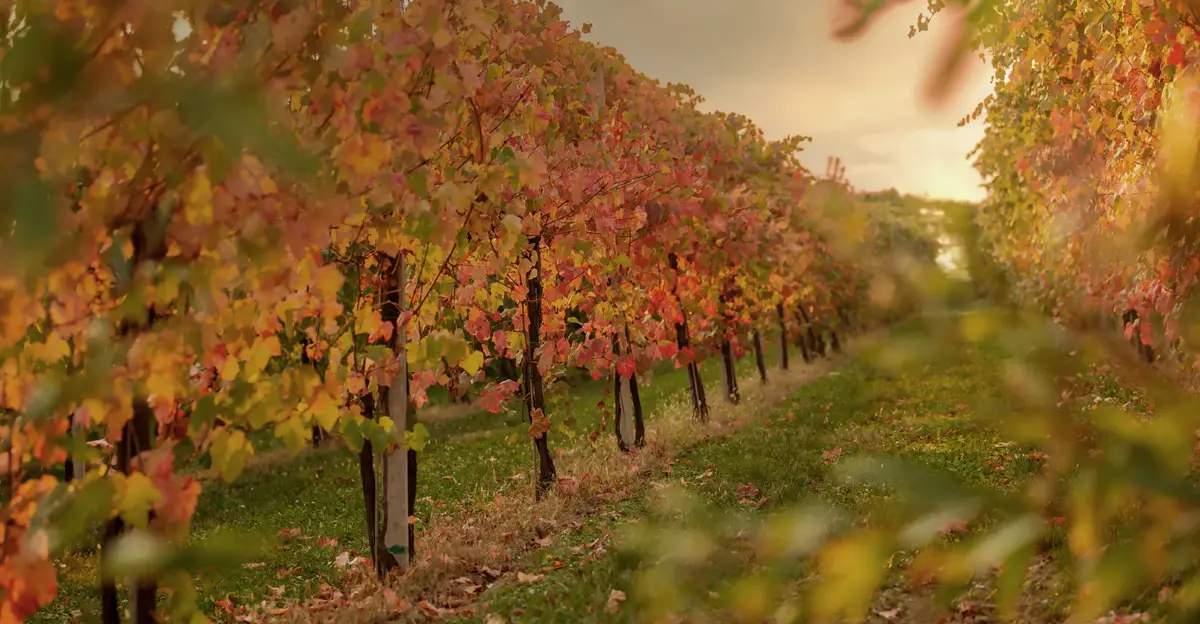
Cantine Boroli offers a variety of Chardonnay called “Langhe Chardonnay Bel Amì” whose name is inspired by Guy de Maupassant’s 1885 novel, particularly dear to Mrs. Elena, Achille Boroli’s mother. The distinctive feature of this wine is that the grapes are harvested entirely by hand in the vineyard a few steps from the winery and macerated for 24/48 hours after careful selection to promote the extraction of characteristic aromas. To enhance the natural balance between minerality and freshness, key elements of this wine’s stylistic identity, the aging in wood is deliberately rapid and non-invasive.
Characteristics of Chardonnay wine
The characteristics of Chardonnay wine vary greatly depending on where it is produced, based on the soil, climate and winemaking style, but there are some common traits that make it recognizable and highly appreciated internationally.
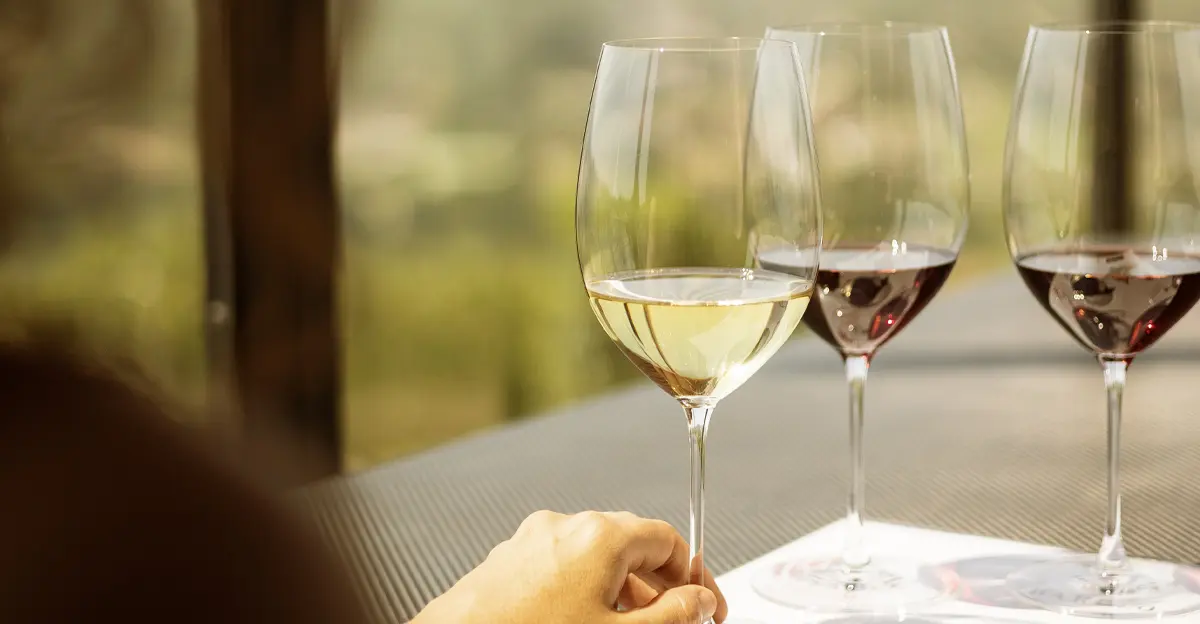
Visually, it is a straw-yellow wine with light green or golden reflections depending on the aging process.
The bouquet is very fruity, with hints of white fruit and citrus, but with a tendency towards tropical fruit when produced in warmer climates or buttery and nutty notes when aged in barriques. Finally, the taste is dry, smooth and round, characterized by good acidity and freshness on the palate and a fruity or mineral finish depending on the terroir. It has a medium or full body, perfect for pairing with different dishes.
Food pairings
The pairing of Chardonnay wine with food is very interesting, perhaps one of the most stimulating in the wine world. The wide range of aromatic components, influenced by the soil and climate in which it is grown, makes this wine ideal for food pairings ranging from the simplest to the most structured dishes.
Still Chardonnay pairs perfectly with fish dishes, white meats, delicate first courses and medium-aged cheeses. When vinified using the classic method, Chardonnay produces elegant and complex sparkling wines, perfect for accompanying refined aperitifs, raw seafood, light fried foods, and haute cuisine dishes. In its passito version, Chardonnay reveals a sweet and deep soul, with notes of dried fruit and honey, perfect especially with blue cheeses, foie gras or dry or creamy desserts.
White wine vinification
White wine vinification is a particular winemaking process that includes all the stages involved in the production of wine starting from the must, the juice obtained from pressing the grapes after harvesting.
It consists of fermenting only the must, without leaving the juice in contact with the solid parts of the grape, thus obtaining clear, delicate wines with low tannin content.
Stages of white wine vinification
White wine vinification consists of several stages:
- Crushing
- Destemming
- Draining
- Pressing
After harvesting, the grapes are gently pressed and the must is immediately separated from the skins (pomace) and seeds (pips) during the destemming stage.
The skins are rich in substances that determine the final color, while the seeds contain tannins, which are primarily responsible for the astringent taste of wine combined with a sensation of dryness on the palate and gums. By quickly separating the solid parts, a white wine is obtained that is free of significant tannins and has a clear, limpid color, with the soft and delicate taste typical of Chardonnay.
This is followed by the draining phase, which is fundamental in white winemaking, during which the free-run juice (the most prized liquid part) is separated from the remaining solid parts, minimizing contact between the juice and the skins. The pomace is then sent to the pressing stage to extract the residual must. The latter is clarified by decanting or filtration to ensure the finesse and purity of the final wine.