Price, Duration, and Booking: What to Check Before You Choose
Some practical details are often overlooked during the selection process, but they have a real impact on the actual experience:
- Actual tasting duration: some wineries advertise “2 hours” while counting travel and waiting time. It’s worth asking how many minutes are genuinely dedicated to tasting and explanation
- Group size: a visit for 4-6 people and one for 20 are radically different experiences, even when the itinerary is identical. Large groups leave less room for interaction and in-depth discussion
- Booking required: wineries that do things carefully ask you to book in advance. Being able to walk in without an appointment is usually a sign of an operation built around high volume
- What the price covers: it’s worth checking whether the fee includes only the wines, or also any food accompaniments, informational materials, and the option to buy on-site at preferred terms
Why a Premium Tasting Should Leave Room for an Informed Purchase
A well-run winery visit creates the conditions for a free, informed choice. A wine traveler who understands what they’re drinking, the story of the vineyard, the production choices, the difference between one vintage and the next, is in the best position to consider a purchase without second thoughts.
Wine bought after a quality experience carries a story with it. It’s a tangible memory, something to open and share with meaning. That’s why the best wineries don’t push the sale but build understanding first, and then make it simple and natural to take home a piece of that experience.
This is especially true for wines of place like Barolo, where every bottle needs years before it shows its best, and where knowing the estate behind it is part of the pleasure of the wait.
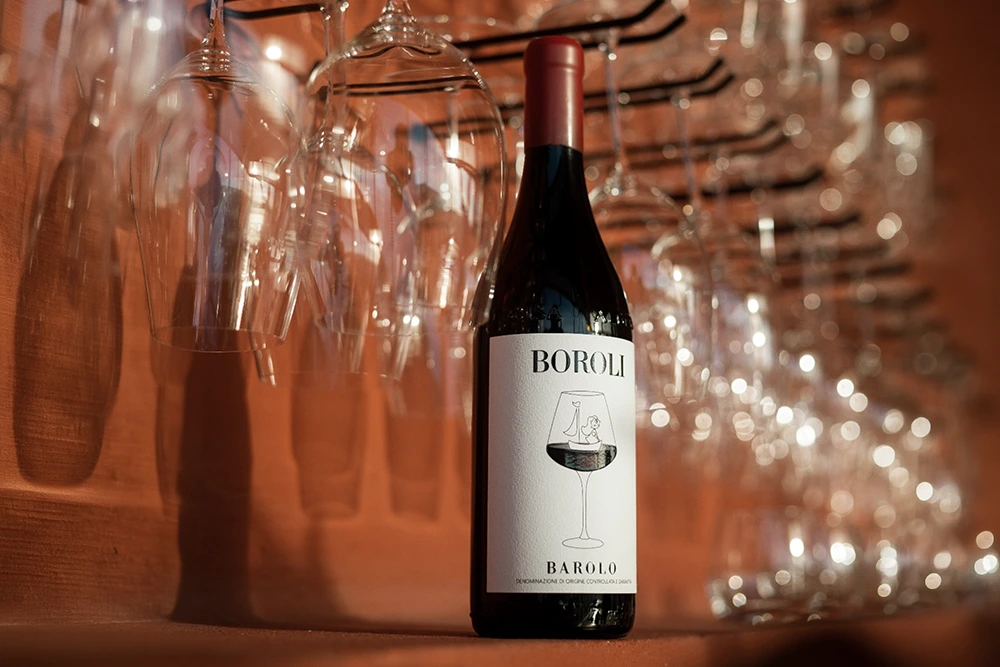
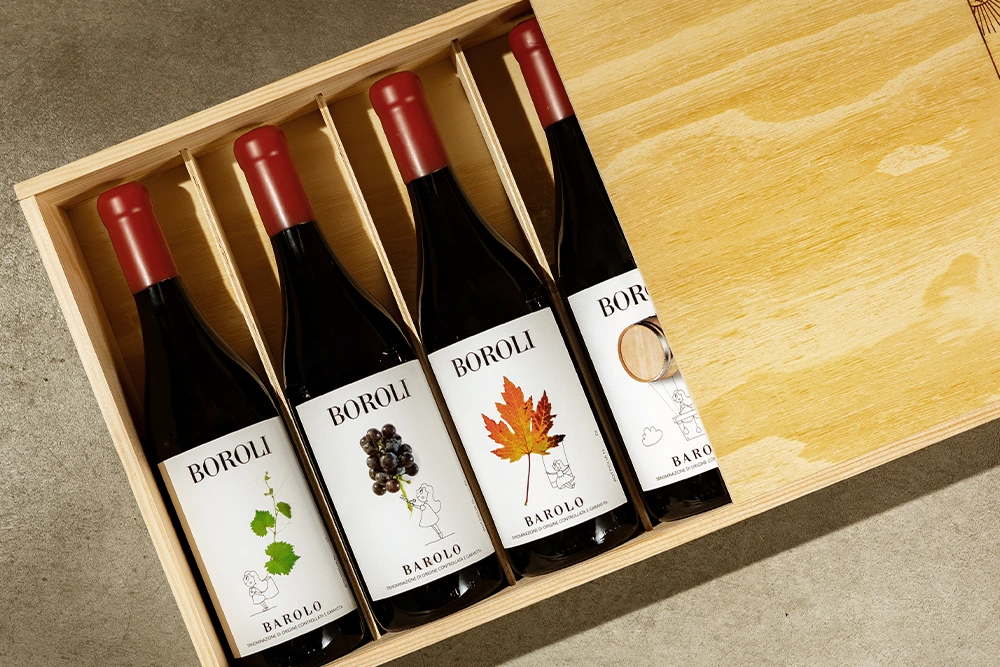
Explore the Boroli range of wines
When to Choose Boroli for a Tasting in the Langhe
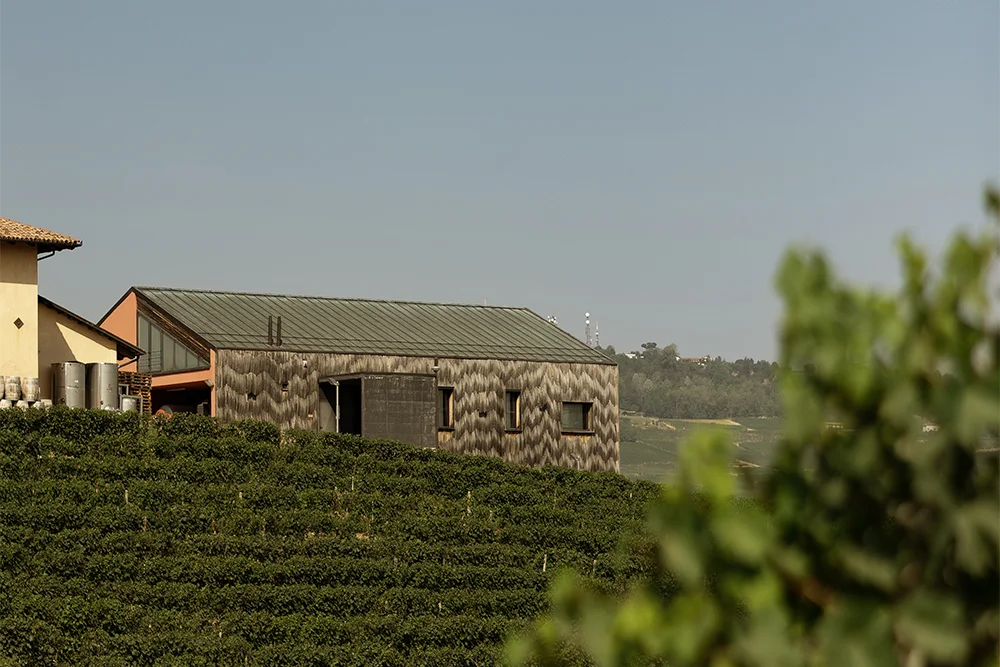
The Boroli winery sits in the heart of Castiglione Falletto, one of the villages with the highest concentration of historic crus in the entire Barolo DOCG appellation. The family has been producing wine since 1997, with roots documented in the area as far back as 1534, and is the exclusive grower of Cru Brunella, an absolute monopole of the Boroli family, alongside the Villero and Cerequio crus.
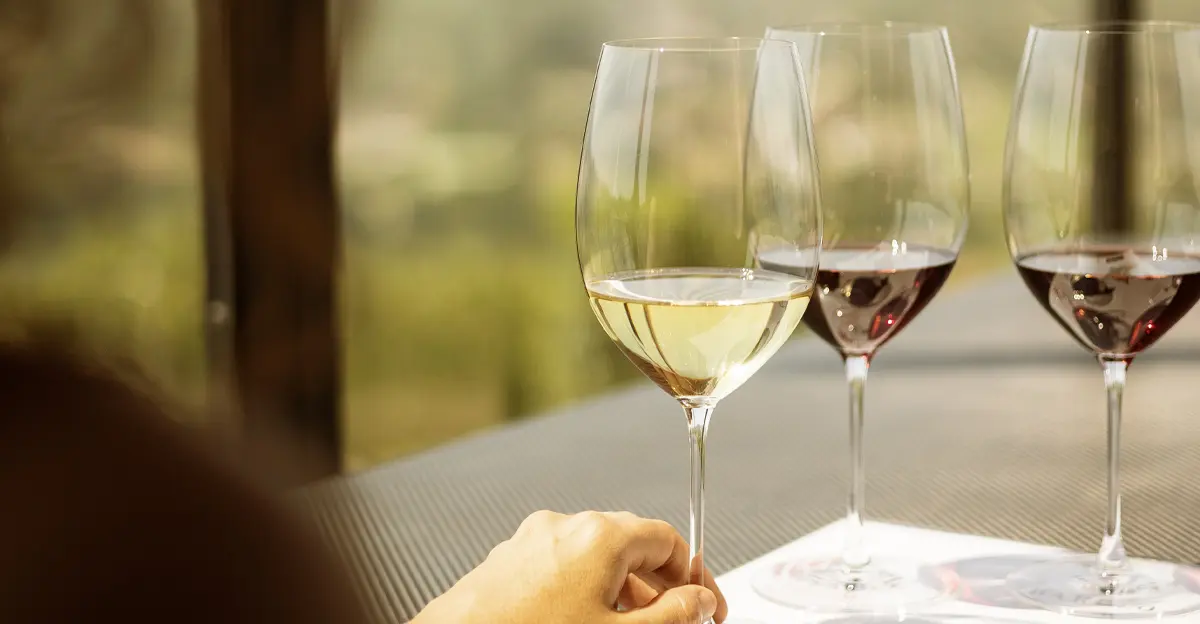
What sets a day at Boroli apart is the chance to taste wines born from separate micro-vinifications by cru. Each vineyard is vinified on its own, so that the differences between one plot and the next remain legible in the glass. Yields are well below the maximum allowed by the DOCG disciplinare, the set of rules that caps the yields permitted under the appellation (40-45 quintals per hectare against the 80 quintals per hectare allowed). A choice that translates into aromatic concentration and a clear sense of place in every bottle.
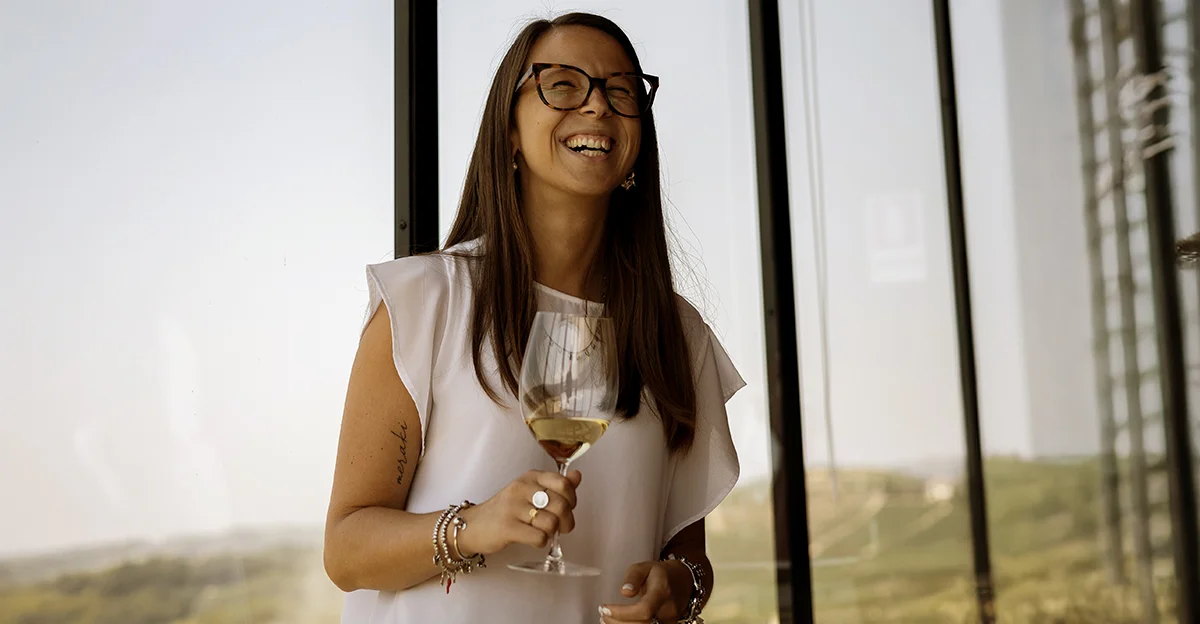
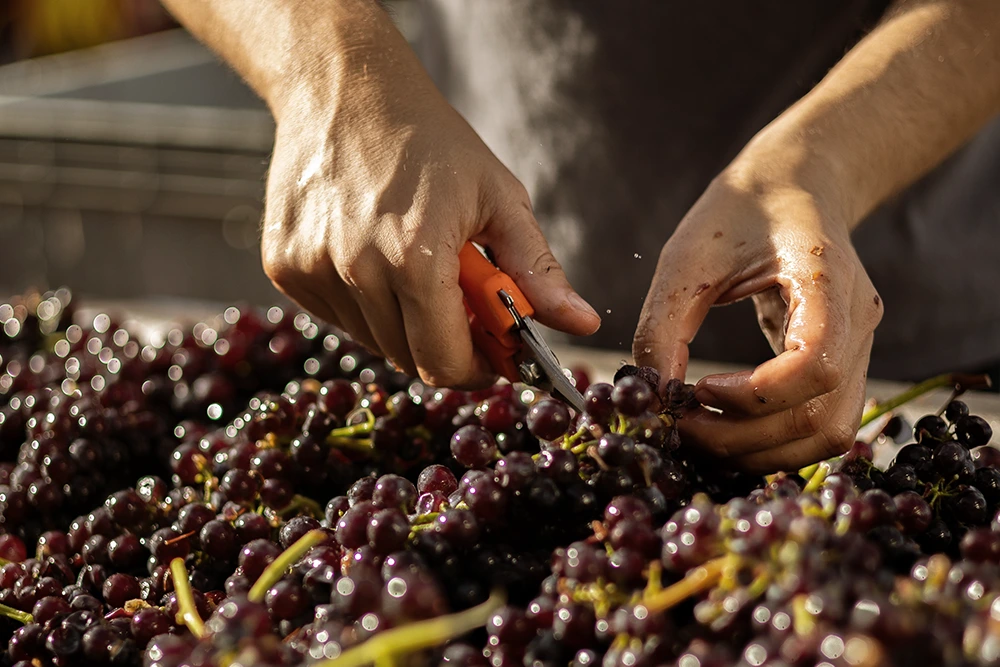
The welcome is designed for people who want to understand, not just taste. The experience starts in the vineyard, with planting densities of 4,500-4,800 vines per hectare, organic fertilization every three years, and careful selection beginning as early as veraison (the stage when the berries change color and begin to ripen), and continues into the cellar, where the choices introduced by Achille Boroli starting with the 2012 harvest have redefined the quality and style of the entire production.
Anyone who wants to round out the afternoon with a serious culinary moment will also find, through Boroli, the connection to Locanda del Pilone, a one-Michelin-star restaurant that brings the cuisine of the Langhe straight to the table, closing the circle between vineyard, cellar, and kitchen.
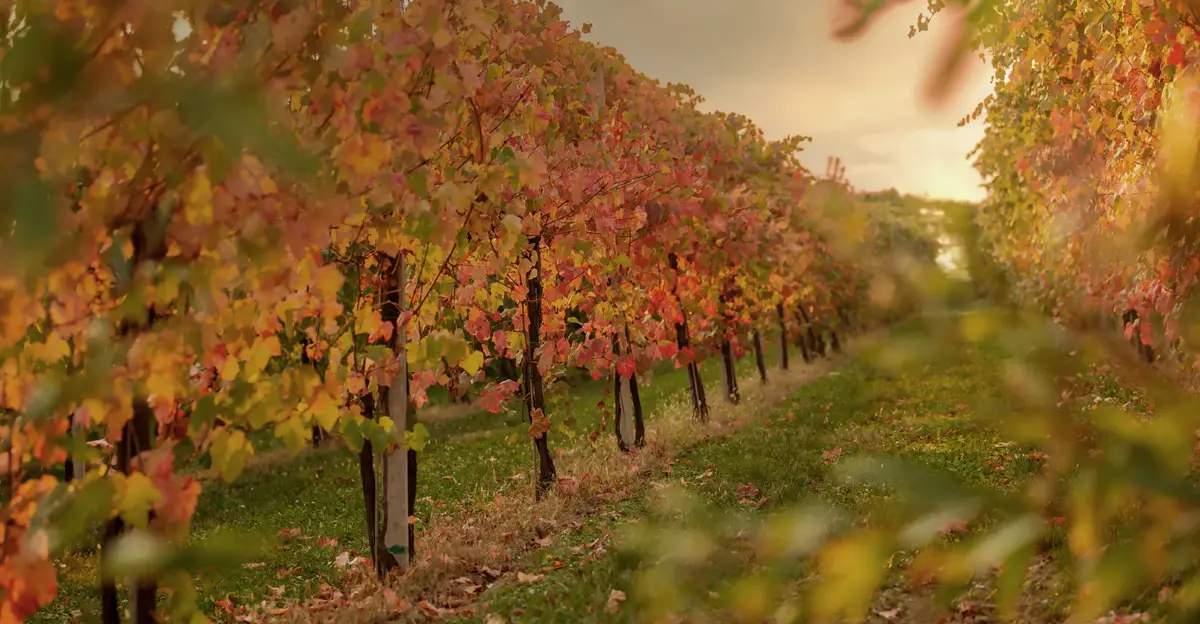
To learn more about the work in the field, the page dedicated to the Boroli vineyards offers a detailed look at the farming methods used. Those who’d rather step into the story of one of the crus can read the account of Cru Villero, among the vineyards that best embody the Boroli identity.
Conclusions
Choosing a winery in the Langhe thoughtfully means weighing the territory, the depth of the tasting, the quality of the people who welcome you, and what you take home. A worthwhile experience starts from clear criteria: the type of visit you’re after, the wine-growing area, the presence of crus, and the guide’s ability to explain the landscape in front of you. And you recognize it because it leaves you with something beyond the memory of the flavor.
The Langhe is a heritage meant to be experienced slowly, with the curiosity of someone who genuinely wants to understand. The right winery is the one that offers you that slowness as an essential part of the visit.
FAQ
What are the criteria for choosing a winery for a tasting in the Langhe?
The main criteria are: the production area and the presence of recognized crus, the type of experience offered (technical, overview, culinary, or vertical), the quality of the welcome, and the depth of the explanation. Before booking, it’s worth checking how many wines are included, whether the crus are offered individually, and whether the visit covers the territory as well as the product.
What is a cru in Barolo, and why does it matter when choosing a winery?
A cru is a vineyard with specific soil, exposure, and altitude characteristics that give the wine an unrepeatable character. In Barolo, the best-known crus include Brunella, Villero, Cerequio, and Cannubi. Tasting different crus during the same visit lets you understand how Nebbiolo, the grape Barolo is made from, changes profoundly depending on the exact place where it grows. It’s one of the most instructive tasting exercises you can do in the Langhe.
What’s the difference between Barolo from Castiglione Falletto and other villages?
Castiglione Falletto has old, compact soils dating back to the Helvetian geological epoch, which produce Barolos with firm structure, noticeable tannins (a dry, mouth-coating sensation caused by the tannins naturally present in the grape), and long life. Compared with villages that have softer soils, such as La Morra, the wines tend to be more austere in their youth and to show their best after a few years of bottle aging.
How long does a winery visit in the Barolo area usually last?
The most complete visits run between 1.5 and 3 hours, including a tour of the vineyard or the winemaking spaces and a tasting of 3-6 wines. Shorter or more standardized experiences can take less time. It’s always advisable to check in advance what the fee covers and how much of that time is actually devoted to tasting and explanation.
Do you need to book in advance to visit a winery in the Langhe?
Yes: the vast majority of quality wineries in the Barolo area require a booking, often a few days ahead. Some work by appointment only in order to guarantee a personalized welcome. Being able to show up without a reservation is generally a sign of an operation built around high volume.