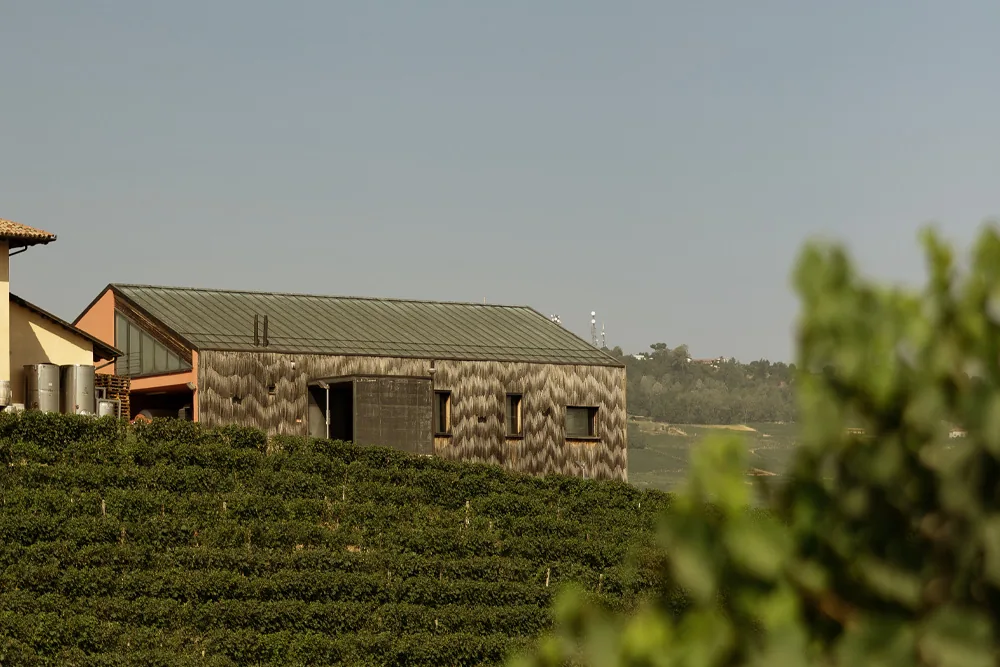
Truffle hunting and wine tasting in the Langhe: how to enjoy an authentic experience

Caccia al tartufo  nelle Langhe con cane

What makes autumn in the Langhe truly memorable? It’s the chance to connect directly with nature. Following an expert hunter through the woods, recognising the scent of freshly unearthed white truffle, and then finding that same identity again in a glass of Nebbiolo.

Truffle hunting, experienced on its own, often remains a lovely but isolated activity. Paired with a wine tasting at the winery, it becomes something far more complete. Woods, scent, history and wine go hand in hand.

In this article you’ll discover how to experience this day authentically, when to plan it and why combining it with a taste of the local wines multiplies its value.

Book a visit to the Boroli winery

What truffle hunting in the Langhe really means

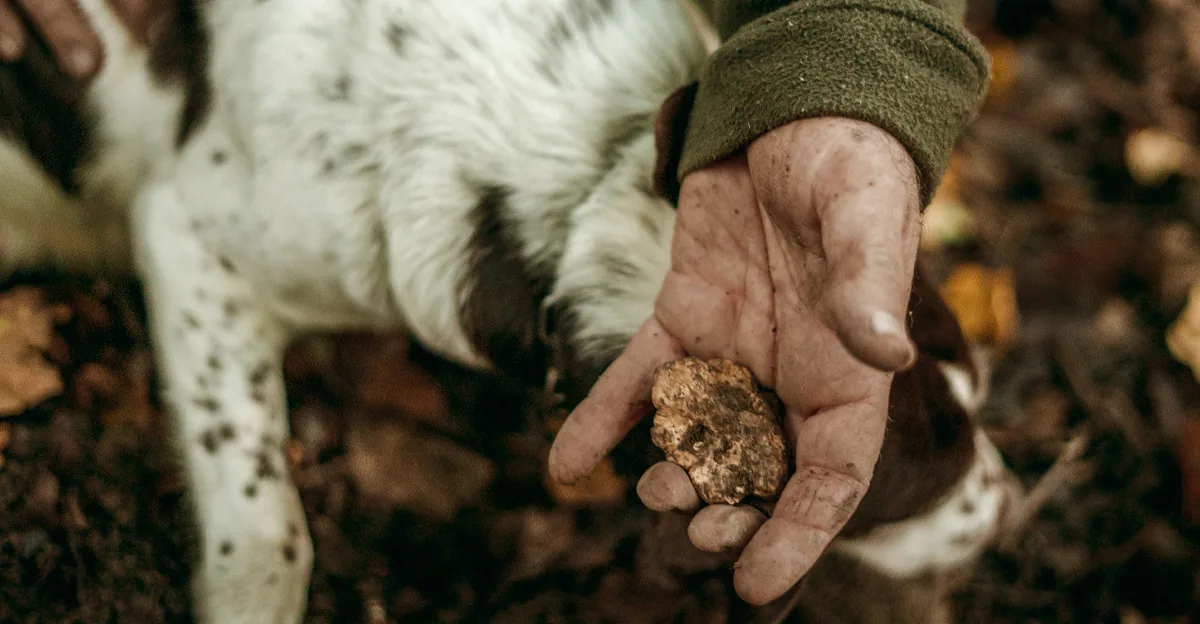
Truffle hunting means stepping into a practice with ancient roots here, built on knowledge of the land, patience and a very close bond between the trifolao, as the truffle hunter is called in Piedmontese dialect, and his dog.

The Langhe, together with the Roero and Monferrato, are among the most suited areas in Italy for the prized white truffle (Tuber magnatum Pico), which grows spontaneously in the undergrowth, in symbiosis with the roots of oaks, hazels, limes and poplars. It isn’t a product you can cultivate at will: its presence depends on a fragile balance of soil, microclimate and moisture, the very same balance that, not by chance, also defines the quality of a great Barolo.

When is the best time to hunt for truffles

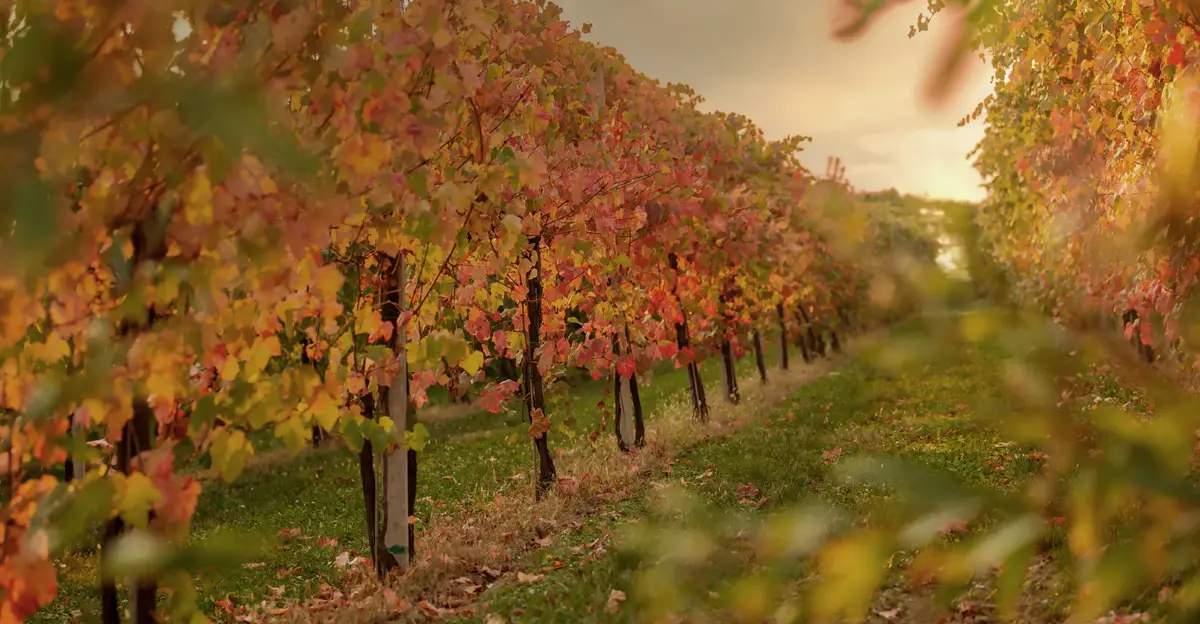
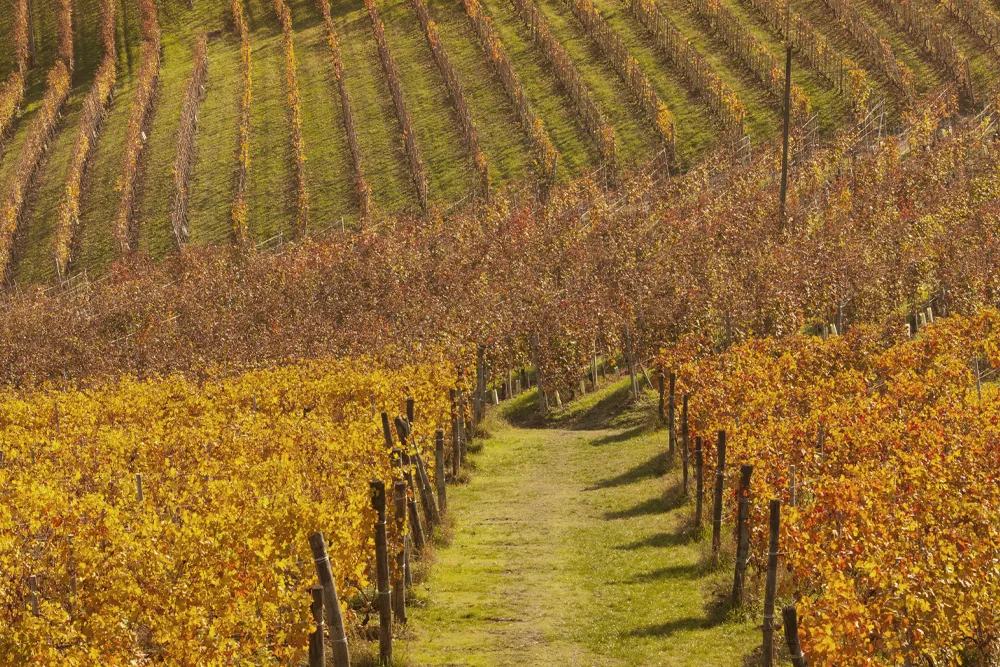
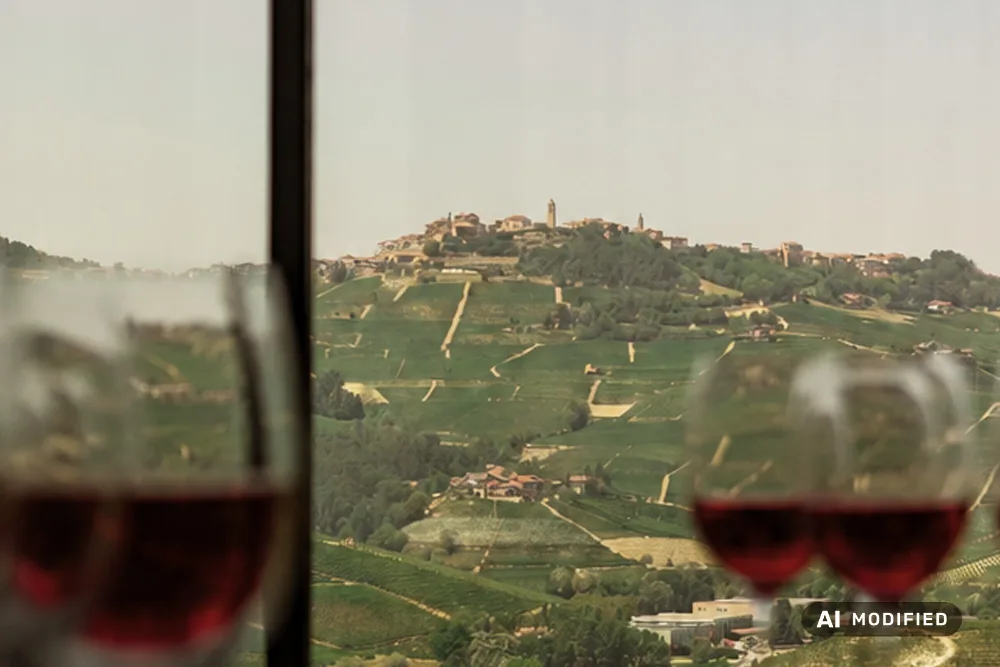
The white truffle has a precise season, which in the Langhe generally runs from late September to late December, with the peak of fragrance concentrated between October and November. It’s in these weeks that the landscape shows itself at its most striking. Light morning mists, vineyards turning from green to gold and red, and an atmosphere that invites you to slow down.

Autumn offers the ideal combination of nature, food and a harvest just completed at the winery. It’s no coincidence that the wineries of the area, Boroli included, experience this as a season of transition. The harvest ends and the time of waiting begins, the same waiting that the truffle needs to mature in the undergrowth.

How the experience unfolds: woods, trifolao and truffle dog

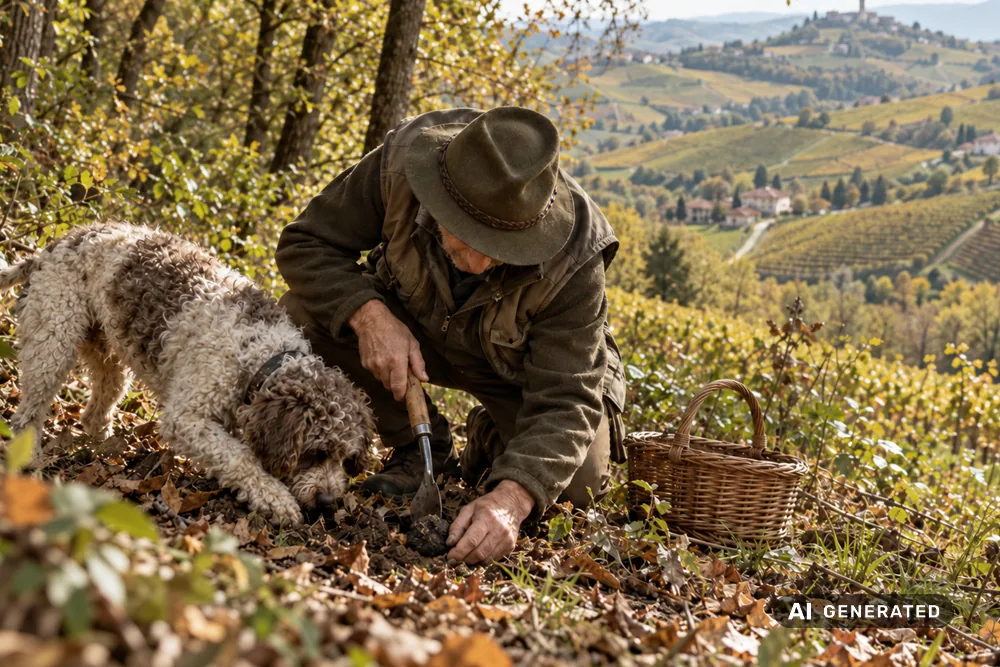
A typical truffle hunt in Piedmont takes place in the early hours of the day or in late afternoon, when the dog’s sense of smell works best and the woods are quieter. The trifolao, accompanied by his trained dog (traditionally a Lagotto Romagnolo, though not only), leads the group along paths that often cross private land, the fruit of years of first-hand knowledge of the territory.

The dog signals the presence of a truffle by gently scratching the ground; it’s then the trifolao who extracts it with the vanghetta, a small tool with a rounded tip that allows precise digging without damaging the mycelium, the underground part of the fungus from which future truffles are born. Using it carefully is, in practice, what ensures that the same woods keep yielding truffles in the years to come.

It’s an experience lived at nature’s pace, not that of organised tourism: walking, waiting, observing. For this very reason, a truffle hunt with lunch or a tasting to follow rounds off the day, giving a richer sequel to what would otherwise be an isolated outing.

Why pair truffle hunting with a tasting at the winery

Truffle and wine in the Langhe share the same origin: the same limestone-clay soil, the same sun-exposed hills, the same continental climate tempered by the currents rising from the sea. Insiders call this bond between soil, climate and product terroir. In practice, it’s the set of natural factors that makes a Barolo from Castiglione Falletto different from a Barolo made elsewhere, and one truffle different from another gathered in a different region.

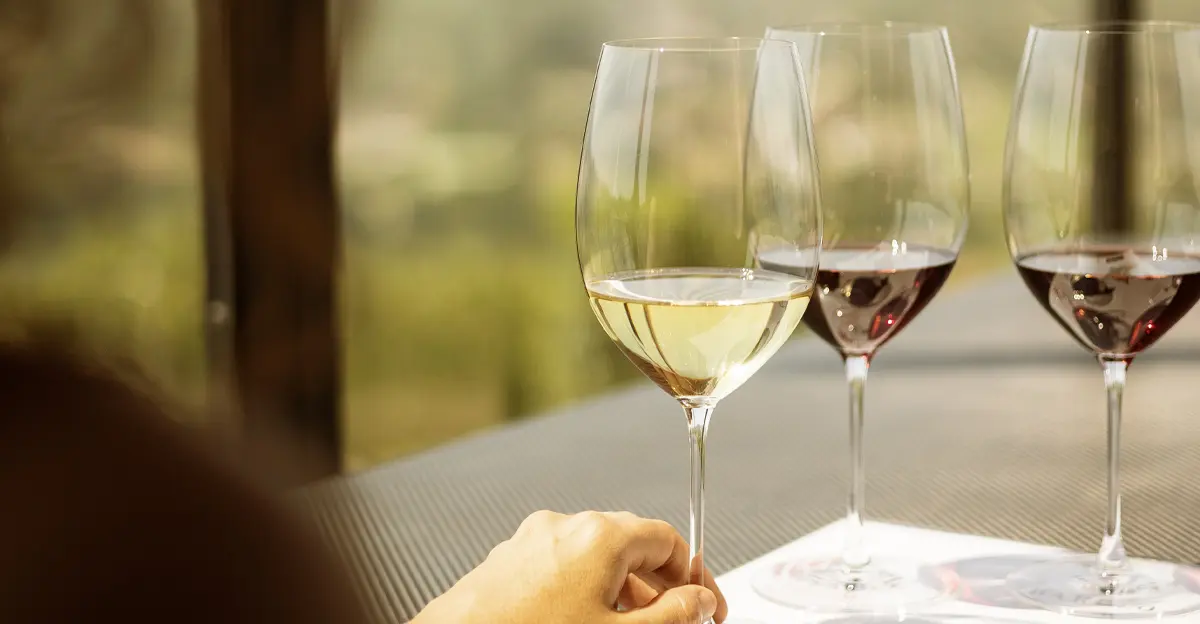
No surprise, then, that a truffle hunt with a tasting in the Langhe is, more than a convenient pairing, a coherent narrative journey. After hours spent in the woods, sitting down at the winery for a guided wine tasting lets you close the circle. You’ve walked the ground the truffle is born from; now you taste the wine born from the same soil. It’s a way to understand the bond between territory and product not in the abstract, but through direct experience.

White truffle, Nebbiolo and Barolo: how to think about pairings

Pairing white truffle with wine calls for balance. The truffle’s aroma is intense, so it favours wines that accompany it without covering it or being overpowered by it.

A few useful criteria to guide you, explained simply:

  • Body of the wine: a young Barolo, fuller on the palate, stands up well to truffle dishes paired with egg pasta or white meats, because the flavour of the dish isn’t overpowered by the wine.
  • Elegance of the aromas: a younger Nebbiolo or a Barolo from the municipality of Castiglione Falletto, with its notes of rose, spice and ripe fruit, sits well alongside the earthy notes of the truffle without overwhelming them.
  • Serving temperature: serving the wine slightly cooler than usual helps preserve the dish’s delicate aroma.

There’s no absolute right pairing: the choice depends on the specific dish (a fried egg with truffle behaves differently from tajarin) and on the wine’s vintage. That’s why a guided wine tasting at the winery, with the chance to compare several labels, remains the best way to find the pairing that suits your own taste.

Discover Boroli wines and the Crus of Castiglione Falletto

Authentic experience or tourist activity: how to spot a quality offering

In recent years it has become a highly sought-after attraction in Piedmont, and not every offering on the market provides the same level of authenticity. A few signs help tell a day genuinely rooted in the territory from a mere activity packaged for tourists:

  • The trifolao is a recognised professional, not just a guide;
  • The dog is trained specifically for the search, not a generic walking companion;
  • The outing takes place in real woods, not in demonstration areas set up ad hoc;
  • The natural and environmental context is explained, not just the truffle “shown”;
  • The day connects with other local realities, such as historic wineries or restaurants that work with local produce.

The quality of an offering is measured by the care of the story that goes with it.

Ideas for a day in the Langhe of truffle, wine and food

For anyone wondering where to go in the Langhe in autumn, a typical day might unfold like this:

  • Morning, truffle hunting in the woods, in the hours when the dog works best.
  • Midday, a visit to a historic winery in the area, such as one in Castiglione Falletto, to discover the bond between vineyard and soil.
  • Lunch or dinner, a tasting of dishes that showcase the freshly gathered truffle, paired with local wines.
  • Afternoon, a stroll through the villages, to enjoy the autumn landscapes, among golden rows of vines and light mists.

This sequence of stops, coherent with one another, gives a complete picture, well beyond the single activity.

Who it’s for: couples, enthusiasts, gourmet travellers

A truffle hunt with dinner or a tasting suits a variety of audiences:

  • Couples looking for a day off the beaten track, far from mass tourism.
  • Food and wine enthusiasts who want to explore the bond between product, soil and wine.
  • International gourmet travellers, for whom the Langhe are an iconic destination in the Italian wine landscape.
  • Small groups of friends looking for something different from the usual winery tour, but who still want to end the day with a good tasting.

In every case, the added value lies in the chance to experience a complete sensory day.

How to combine the truffle experience with a Boroli tasting

At Boroli, a winery in Castiglione Falletto with roots reaching back to 1534 and a winemaking history established since 1997, the bond with the territory is expressed not only through the wine but also through a direct relationship with the landscape. The production philosophy of Achille Boroli, based on yields well below the maximums allowed by the appellation rules (40-45 quintals/hectare against the 80 quintals/hectare permitted for the Crus) and on a planting density of 4,500-4,800 vines per hectare, reflects an approach to quality founded on waiting and care, just like the search for truffles.

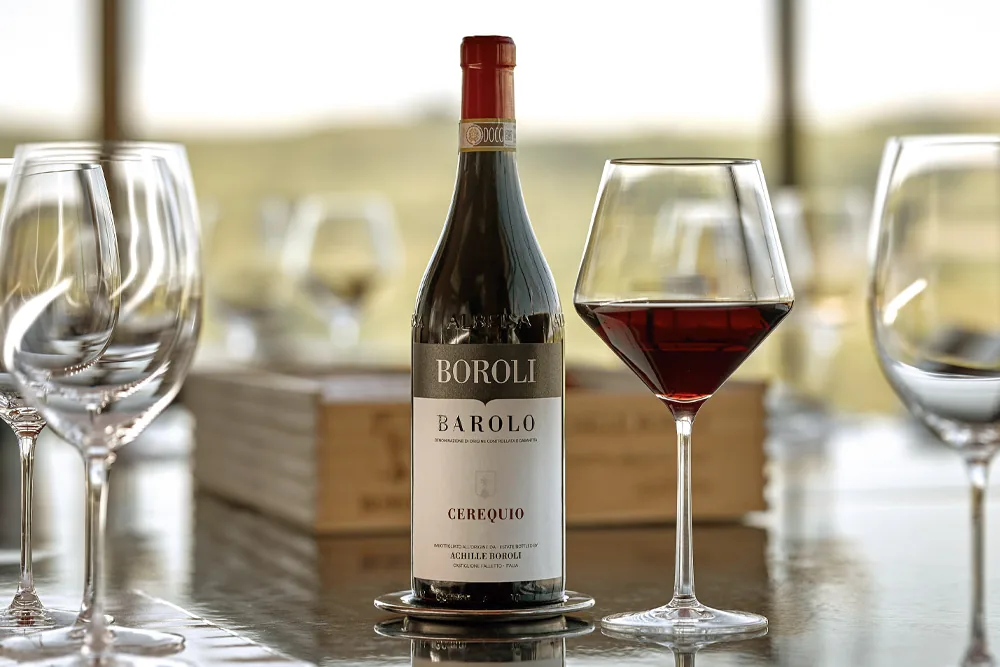
After a morning in the woods, a tasting at the winery lets you sample different labels, each the expression of a precise point of the territory: the Barolo Brunella, from the vineyard held in sole monopoly by the Boroli family, the Barolo Cerequio and the Barolo Villero, from their respective Crus, and the Barolo del Comune di Castiglione Falletto, which captures the overall identity of the appellation. Tasting them in sequence reveals how the same soil, worked in different spots, gives rise to wines with distinct character and nuances.

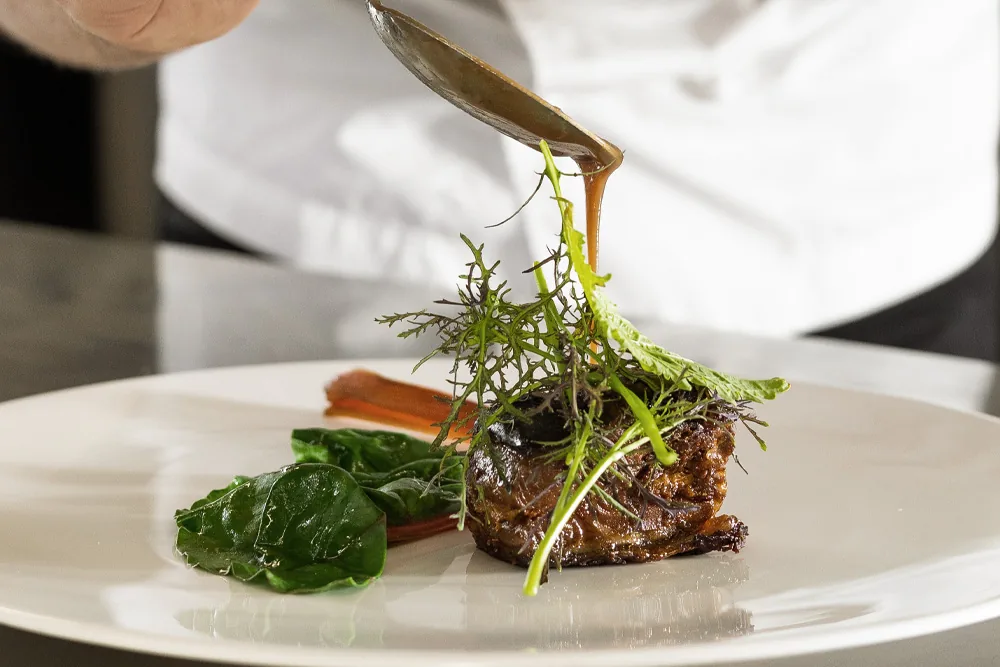
For those wishing to round off the day with a top-level gastronomic stop, the proximity to the Locanda del Pilone, a Michelin-starred restaurant, offers a further chance to experience the territory coherently, from the woods to the glass to the plate.

Conclusions

Truffle hunting is a direct way to connect with a territory that lives on subtle balances between woods, climate and soil. Pairing it with a tasting at the winery means completing the story, finding again in the glass the same identity discovered while walking through the undergrowth.

Between the aromas of the white truffle and the elegance of a Barolo from Castiglione Falletto, the Langhe in autumn offer a day that’s hard to forget. If you want to live this journey to the full, a visit to the Boroli winery is the most direct way to close it, discovering first-hand the history and the wines of a territory that, since 1534, keeps telling its story through the land.

Contact Boroli to arrange your tasting

Truffle hunting and Langhe wine tasting FAQ

When can you go truffle hunting in the Langhe?

The white truffle season generally runs from late September to late December, with the period of highest quality between October and November, when the woods also offer the most striking colours of the Piedmontese autumn.

What do you need to take part in a truffle hunt in Piedmont?

All you need is comfortable clothing suited to the woods (hiking shoes, a waterproof jacket). The outing is led by a professional trifolao accompanied by his trained dog, who handles the search.

Why pair truffle hunting with a wine tasting?

Because truffle and wine in the Langhe are born from the same soil. Experiencing both on the same day lets you understand the bond between land, climate and product in a direct and memorable way.

Which wine pairs best with white truffle?

Elegant, not overly assertive wines, such as a young Nebbiolo or a Barolo from the municipality of Castiglione Falletto, enhance the truffle’s aroma without covering it. The ideal choice still depends on the dish and on the wine’s vintage.

Is it possible to organise a truffle hunt with lunch or dinner in the Langhe?

Yes, many offerings in the area combine truffle hunting with a meal based on local produce, often paired with a tasting at the winery, to deliver a complete day in a single outing.

VISIT THE
WINERY

The Boroli cellars, located in Castiglione Falletto, are the perfect place to experience the magical territory of the Langhe through tasting experiences and to enjoy an unforgettable experience of discovery and great wine.

More Post

Fall in the Langhe
Wine Consumption Trends
Come scegliere cantina di vino per degustazione nelle Langhe