Alba White Truffle and great red wines: Fall’s signature pairing
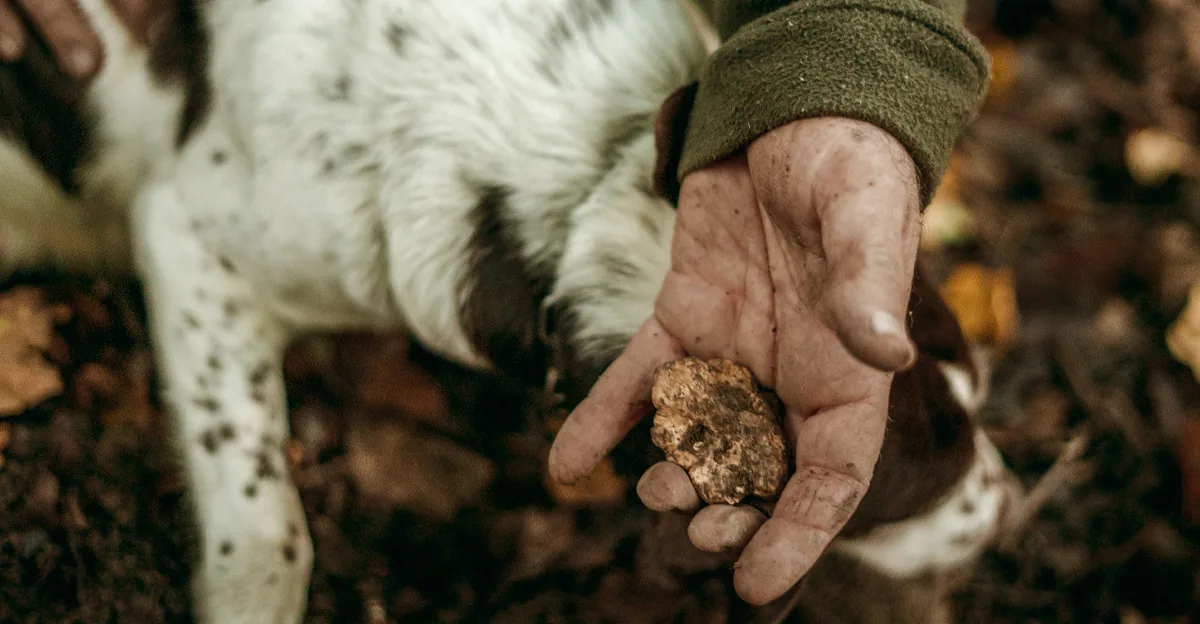
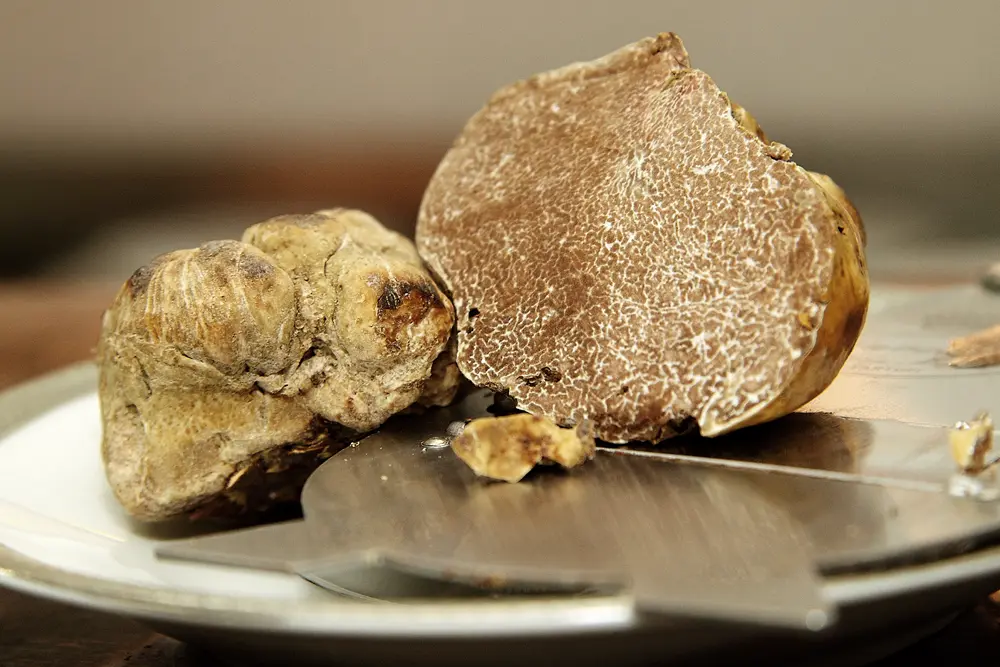
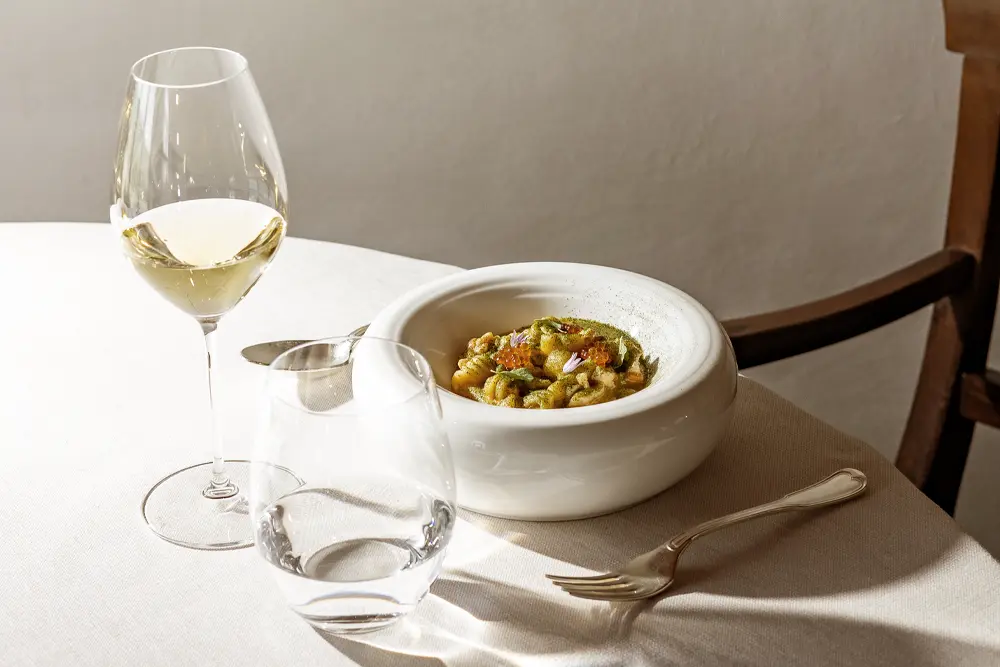
You can’t talk about fall in the Langhe without talking about the Alba white truffle, the absolute star of the season and the engine of a food tourism that draws enthusiasts from around the world. Its intense, earthy, enveloping aroma finds in Barolo one of the most celebrated pairings in Piedmont’s culinary tradition.
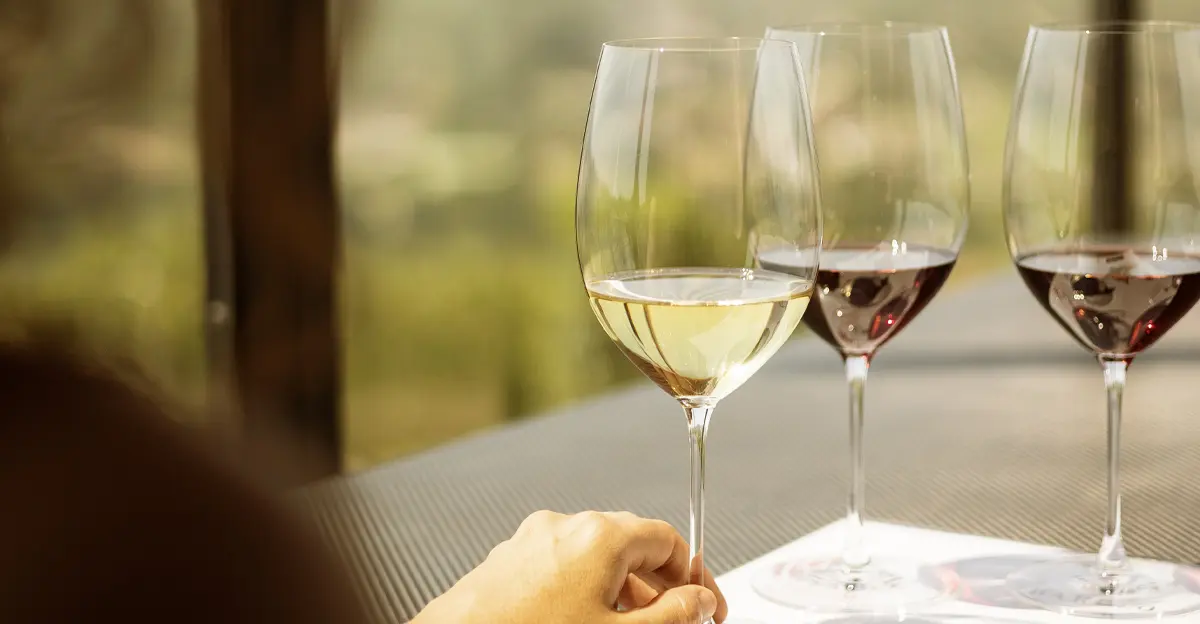
Barolo comes from a grape called Nebbiolo, which yields robust wines with a bold flavor and a long finish, qualities that hold up well against the truffle’s intense aroma without being overwhelmed by it or smothering it in turn. It’s a balance of comparable forces rather than a contrast. A delicate wine would risk disappearing next to truffle, while Barolo meets it as an equal. That’s why many truffle dinners in the Langhe feature the area’s most representative crus on the wine list, each able to accompany every course with the right intensity.
Tasting Barolo in Fall: why the experience runs deeper
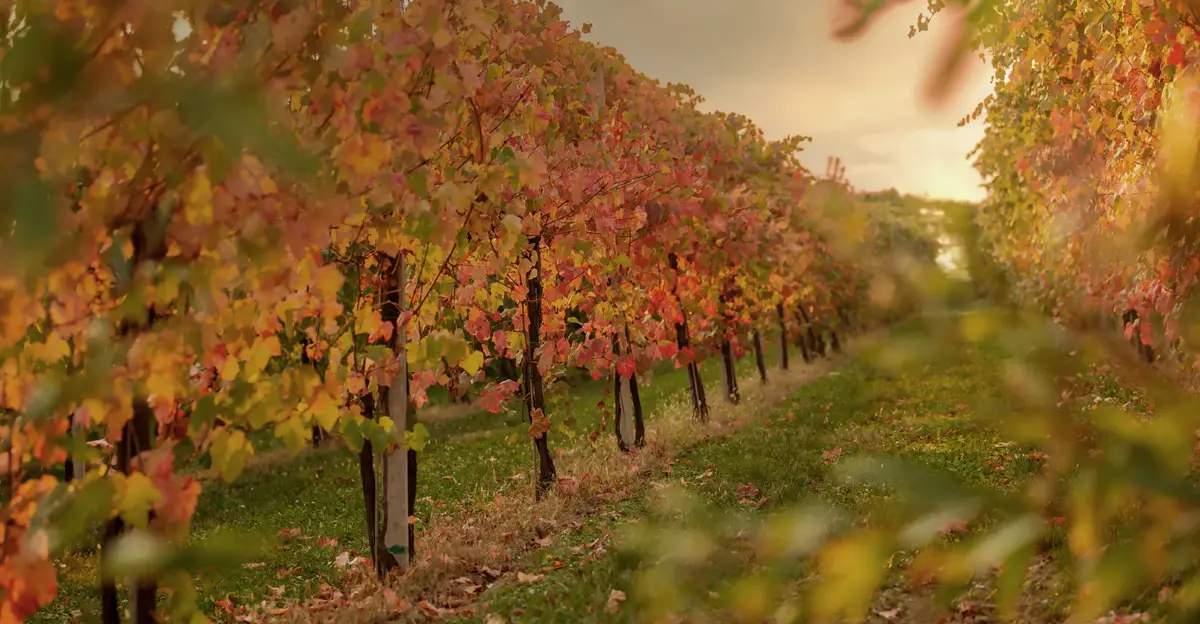
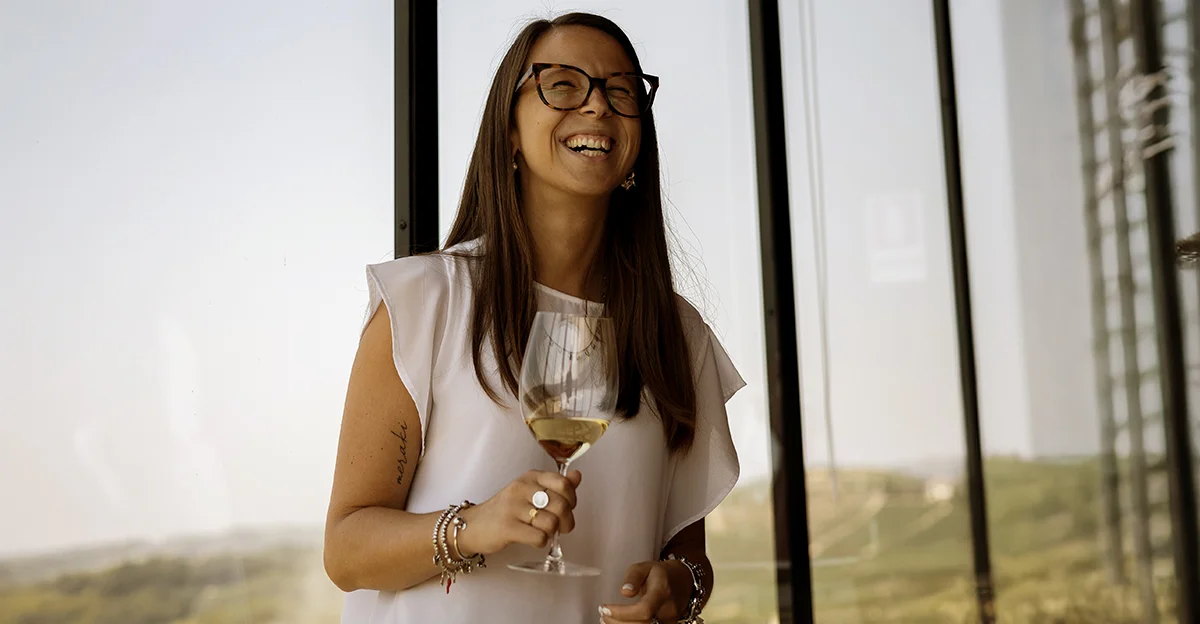
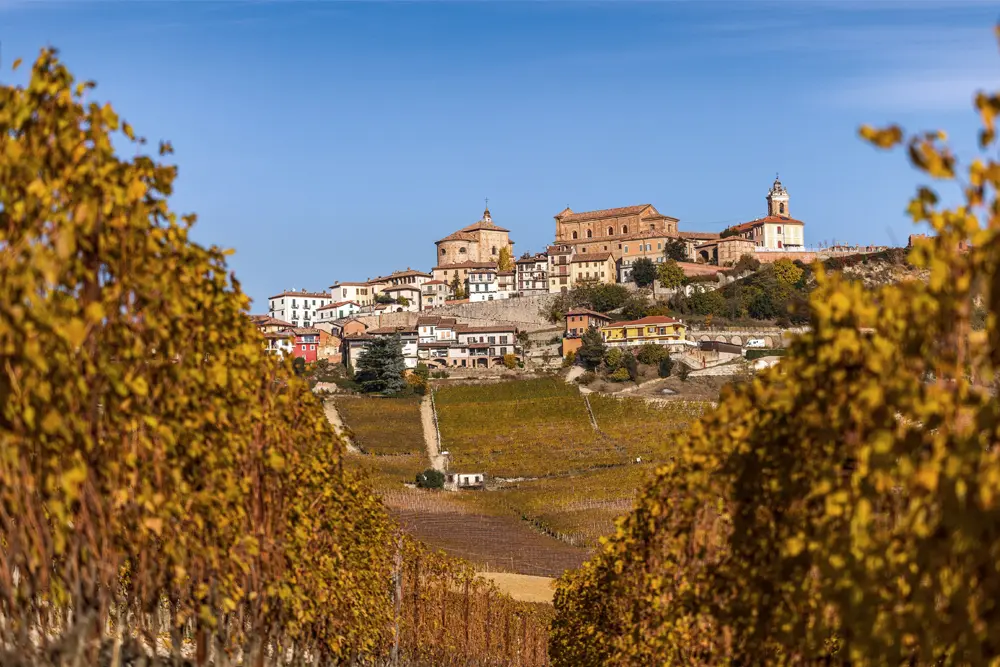
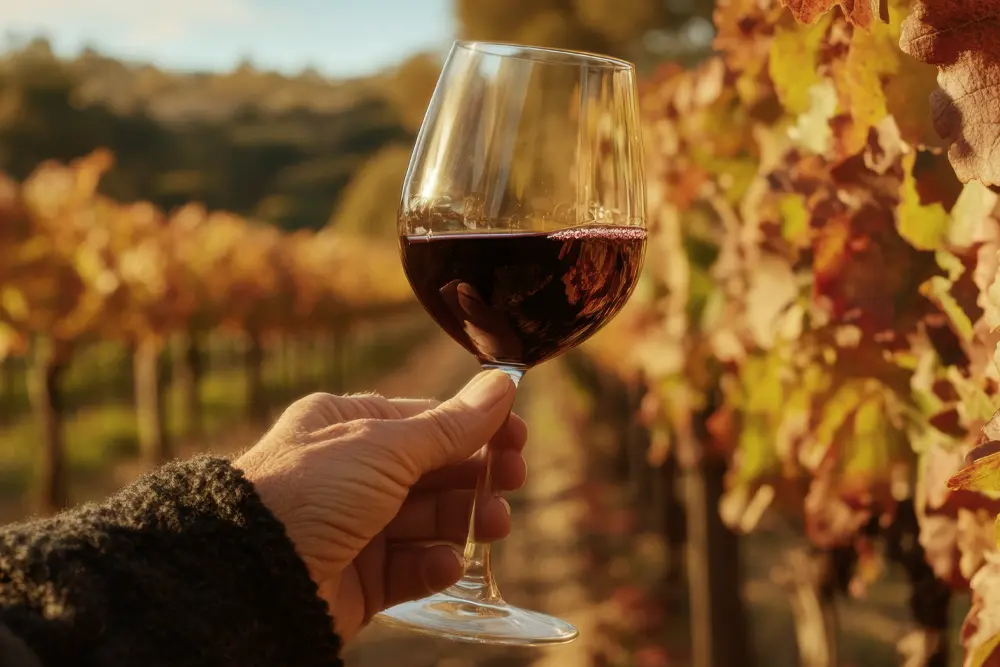
Tasting a Barolo in fall means doing it at the moment when the wine and the landscape are telling the same story. The hills outside the cellar window are still colored by the foliage, the air carries the scents of a harvest just finished, and the glass becomes the endpoint of an entire year of work in the vineyard.
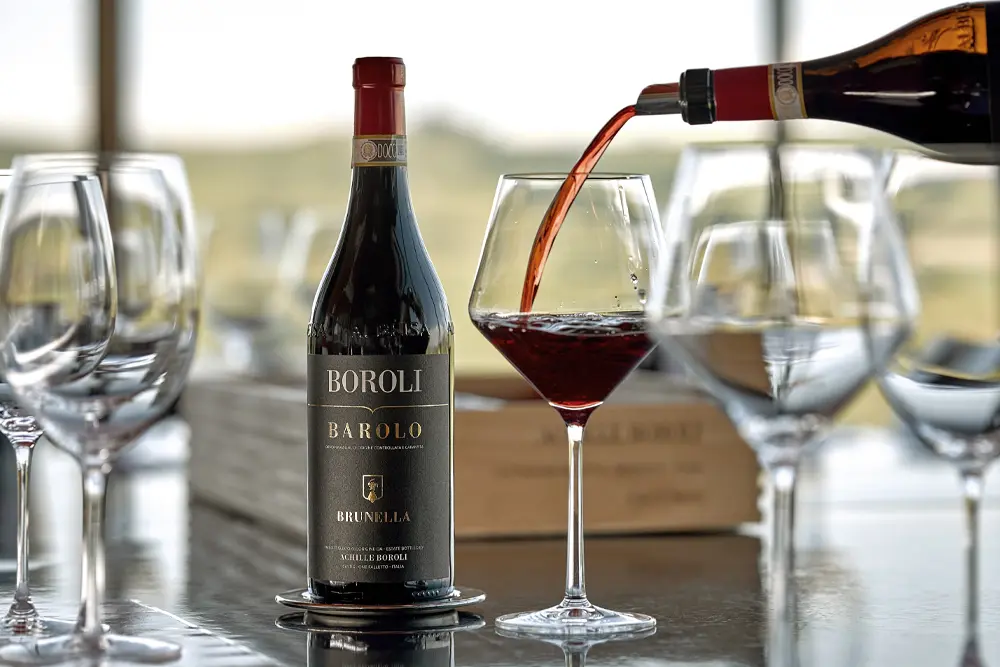
At Boroli, this season makes it possible to explore the differences between the crus. The more austere structure of Villero, the floral elegance of Cerequio, the depth of Brunella, the winery’s most representative cru, produced from a vineyard owned exclusively by the Boroli family.
Since 2012, the year Achille Boroli introduced more rigorous practices in the vineyard and the cellar, from hand-selecting the grapes to more precise winemaking techniques, every vintage has told a story of continuous pursuit of ever-higher quality, something you sense with particular clarity in fall, helped along by the landscape that frames the tasting.
Discover the Brunella, Villero, and Cerequio crus →
A gourmet weekend in the Langhe: winery, lunch and an overnight stay
A weekend in the Langhe in fall brings together three things: a winery visit, a food experience, and time to take in the landscape. The morning can go to a walk among the rows to admire the foliage, followed by a guided tasting of the different crus.
The direct connection between Boroli and Locanda del Pilone, the Michelin-starred restaurant affiliated with the family, means you can round out the day with a lunch or dinner that showcases local products, truffle included in the right months. For anyone who wants to stay longer, many properties in the area offer overnight stays surrounded by vineyards, ideal for catching sunrise as the fall fog slowly lifts off the hills.
Practical Tips: Weather, Bookings, Length of Stay
Fall weather in the Langhe is generally mild during the day, with temperatures dropping noticeably in the morning and evening, especially in November, when fog becomes frequent. It’s a good idea to dress in layers and bring something heavier for the evening hours.
For winery visits, especially during the Truffle Fair, booking ahead is essential; October is the month with the heaviest tourist traffic. A three-day stay lets you move at an easy pace between wineries, scenic walks, and gourmet meals, without having to choose among the many things the area offers this time of year.
Experiencing Fall in the Langhe with Boroli
Boroli was founded in Castiglione Falletto as the natural evolution of a business story with roots reaching back to 1534, and since 1997, the year of the first commercially released vintage under the direction of Silvano and Elena Boroli, it has kept building an identity made of agronomic rigor and respect for terroir, the bond between a wine and the specific characteristics of the place it comes from. Today, under the leadership of Achille Boroli, the winery is one of the reference points for anyone who wants to discover fall in the Langhe through the most authentic experience possible, tasting among the vines.
Visiting Boroli at this time of year means seeing firsthand a body of work built on precise choices, from vineyard density to organic fertilization every three years, that finds its endpoint in the glass. It’s a chance to get to know the Brunella, Villero, and Cerequio crus up close, and to understand why fall remains the most fitting season for telling the story of Barolo.
Fall in the Langhe is the truest reflection of a region that works every day to reach this culmination. Foliage, harvest, truffles, and great wines weave together into an experience that deserves to be lived slowly, letting the unhurried rhythm of the hills set the pace.
Experience fall at Boroli, book your visit →
FAQ
Where can you see the foliage in the Langhe?
The most scenic viewpoints are along the route between Castiglione Falletto and Barolo, and on the road connecting La Morra to Monforte d’Alba, where the vineyards form a mosaic of fall colors clearly visible from the hills.
What’s the best time to visit the Langhe?
October is generally considered the most complete month, because it combines peak foliage with the Alba International White Truffle Fair. November, on the other hand, offers a more intimate atmosphere, with morning fog and fewer visitors.
What is there to do in the Langhe in fall?
The main activities include scenic walks through the vineyards, winery visits with tastings, hunting for and tasting Alba white truffle, and gourmet meals at local restaurants, along with overnight stays at properties surrounded by vineyards.
Which is the most beautiful part of the Langhe?
The area taking in Castiglione Falletto, Barolo, La Morra, and Monforte d’Alba is considered the scenic and winemaking heart of the Langhe, and it’s particularly striking in fall thanks to the foliage and the concentration of historic wineries.