Vintages ready to drink and vintages to age
One of the most common mistakes among wine enthusiasts is opening a great Barolo too soon. Nebbiolo has powerful tannins that, in vintages with great structure, require time to integrate: five, ten, or even twenty years may be necessary to reach their peak.
Vintages to Enjoy Today:
- Vintages of moderate intensity and early development
- Wines opened well in advance and carefully decanted
- Barolo from vineyards with sandier soils, which tend to express themselves earlier
Vintages to wait for:
- The great vintages of recent years (2016, 2019) still have a long way to go
- Cru bottles from select producers, where quality is at its peak
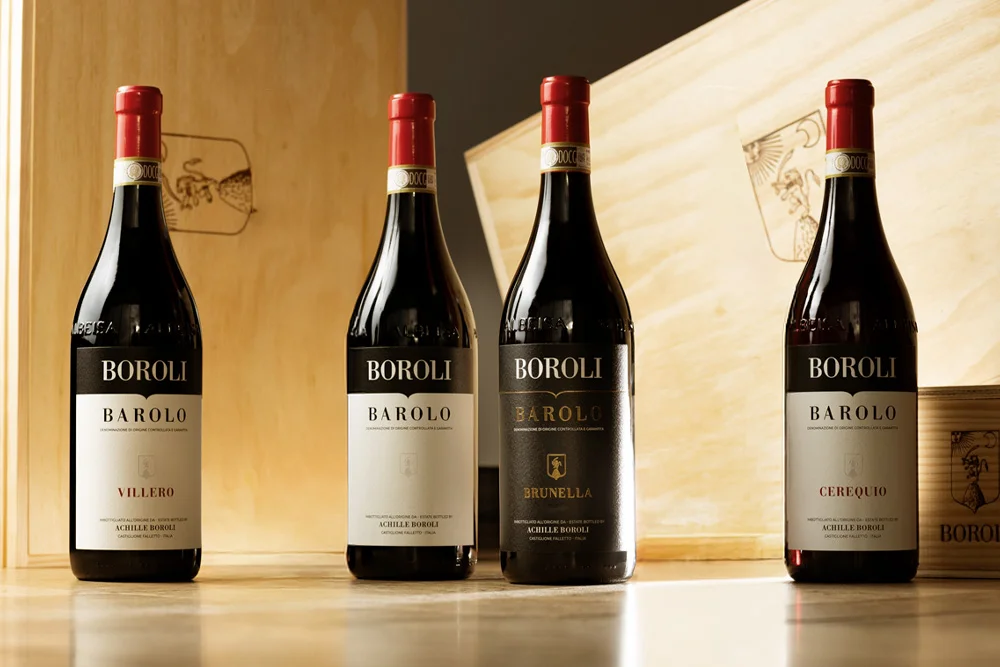
At Boroli, the decision to produce well below the maximum yield allowed by the production regulations, the official DOCG guidelines that establish how many grapes may be harvested per hectare, translates into concrete numbers: 40–45 quintali per hectare for the Brunella, Villero, and Cerequio Cru wines, compared to the permitted 80 quintali. Nearly half. This difference is directly reflected in the wine’s longevity: less quantity, greater concentration—bottles designed to stand the test of time.
Young Barolo or Aged Barolo: which to choose for a tasting
The answer depends on what you want to understand. A young Barolo reveals the character of the vintage in its most immediate form: the fruit, the tannic structure, and the varietal notes of Nebbiolo (dried rose, tar, red fruit). But it may still seem closed, almost reluctant.
An aged Barolo, on the other hand, tells the complete story: the vintage filtered through the years, tannins that have found their balance, and tertiary notes of tobacco, leather, spices, and forest floor that emerge only with time. It’s a different experience, often a deeper one, for those who are already familiar with the wine.
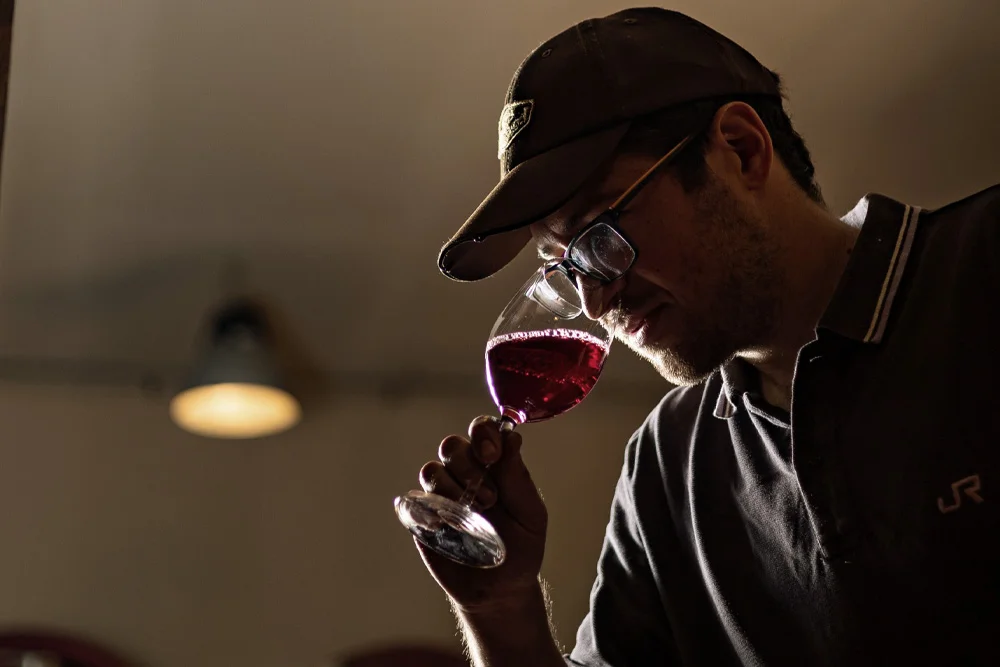
For a vertical tasting at the winery, the ideal combination is to have both perspectives: the same wine from multiple vintages, to track its evolution in the glass and understand how a vintage changes over time.
Book a winery tour →
The Role of the Terroir Across Different Vintages
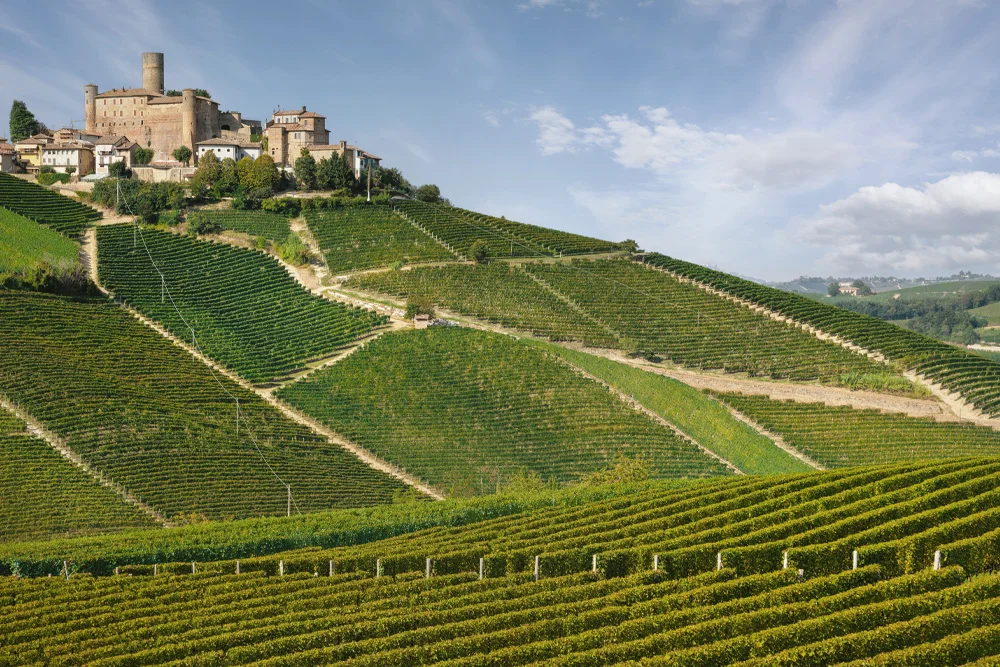
Langhe is not a homogeneous region. Castiglione Falletto, the municipality where Boroli is based, is one of the smallest and most prized municipalities in the Barolo region: its vineyards rest on ancient soils composed of compact marl and tuff (sedimentary rocks that retain heat during the day and release coolness at night), imparting to the wine minerality, precision, and great aging potential.
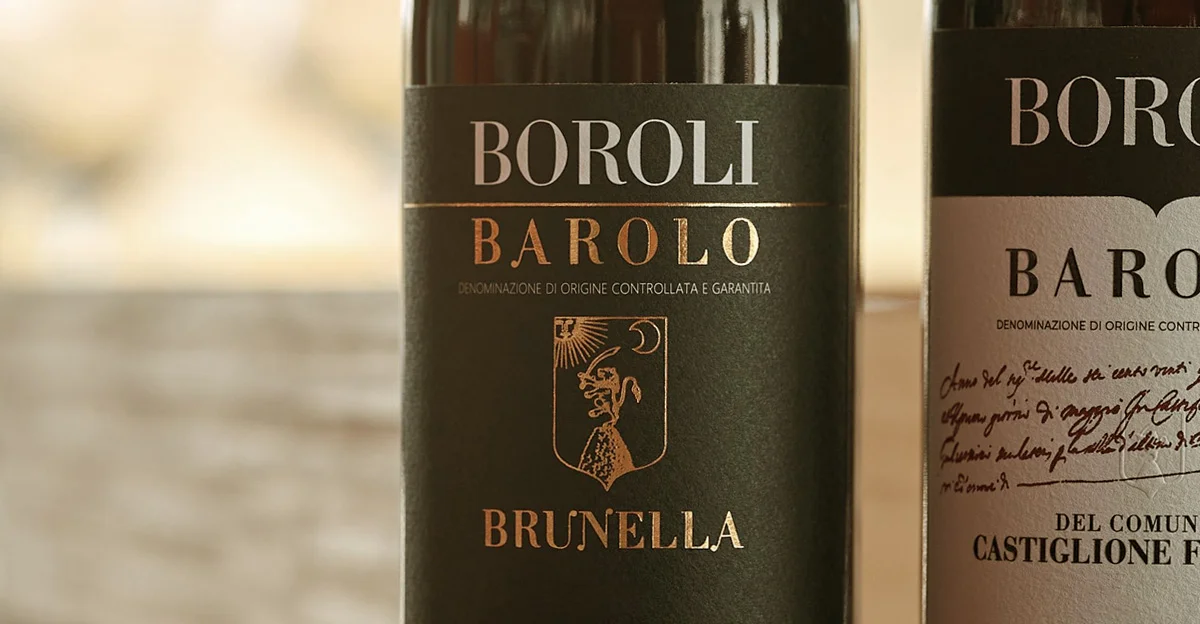
This means that the same vintage can express itself very differently depending on the cru. Brunella, the exclusive monopoly of the Boroli family, the only winery in the world to produce it, tends toward a more austere and long-lived character. Villero brings elegance and aromas. Cerequio, from the municipality of La Morra, adds softness and a more immediately seductive profile.
In the most challenging seasons, the terroir becomes even more decisive: a well-tended vineyard, with low yields and healthy soils, produces wines of character even when the climate has not been favorable. In exceptional vintages, it amplifies what the vintage has to offer.
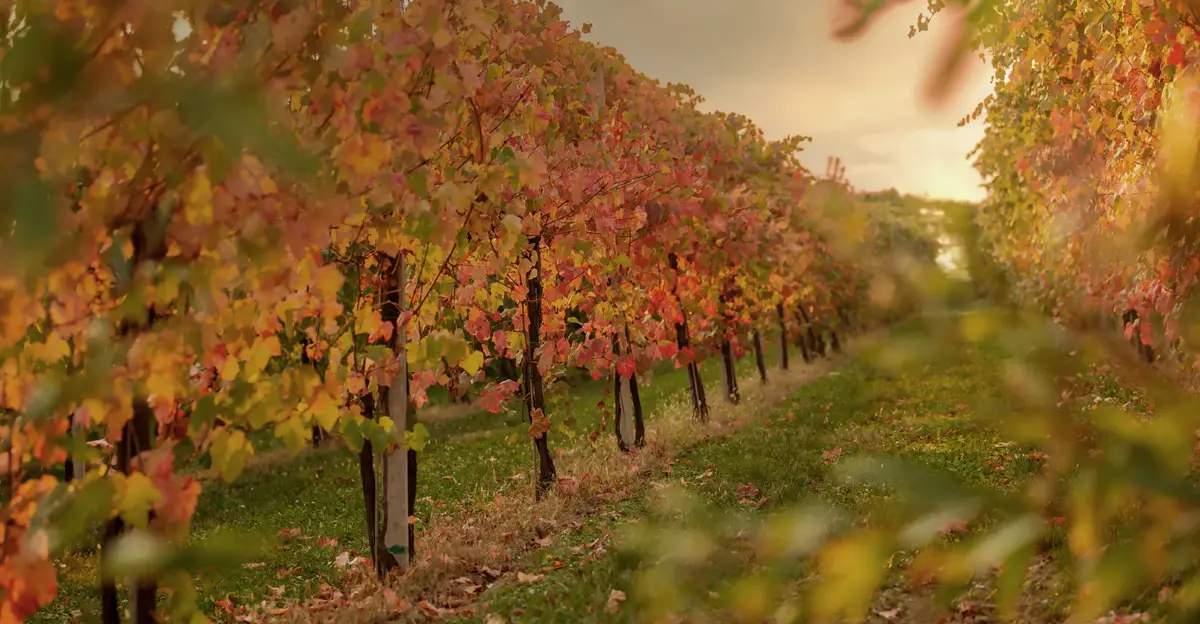
Boroli’s agronomic approach in the vineyard reflects this awareness: a planting density of 4,500–4,800 vines per hectare, organic fertilization every three years, controlled grass management, and careful selection of the clusters as early as veraison (the moment when the berries change color, about two months before harvest, and the quality of the crop can already be assessed). These choices do not depend on the vintage, but they always enhance it.
How to Organize a Vertical Tasting of Barolo
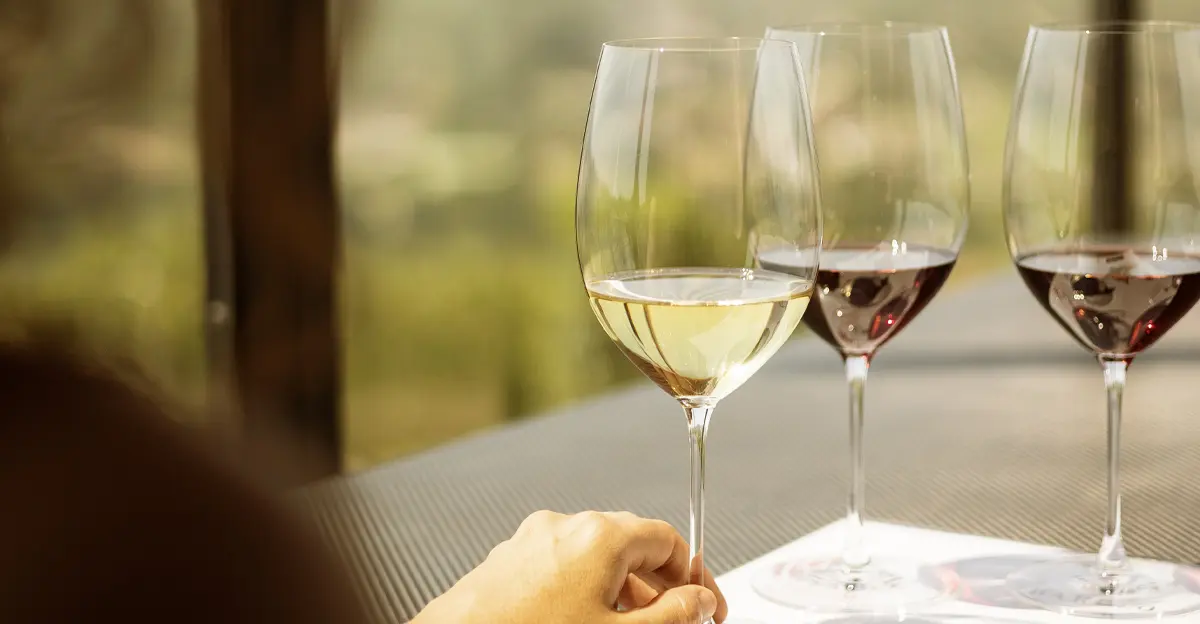
A vertical tasting involves comparing multiple vintages of the same wine on the same occasion: for example, the 2016, 2013, and 2010 Brunella are uncorked side by side, and one observes how the same vineyard reflects different growing seasons. It is the most comprehensive way to understand Barolo vintages, because it isolates the variable of time and makes the wine’s evolution in the glass visible.
How to organize it:
- Choose a representative producer; stylistic consistency is essential for isolating vintage variables
- Start with the youngest vintage and work your way up to the oldest (or in reverse order, depending on your objective)
- Decant each bottle at least one hour in advance, especially for young wines
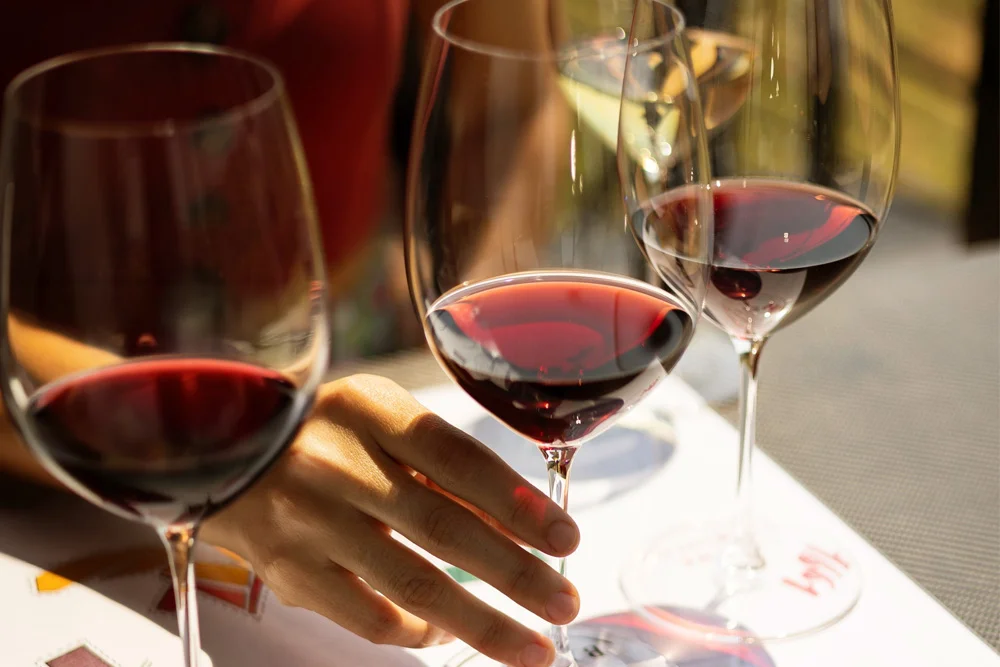
- Take notes on color, color evolution (orange hues at the rim indicate aging), aromas, and tannic structure
- Don’t overdo it with the number of wines; 4–6 vintages are more than enough for an in-depth session
For those who wish to experience this in the Langhe, the Boroli winery offers guided tastings that allow you to explore the various expressions of the Crus, guided by someone who knows them inside and out.
Tips for Buying Barolo After a Tasting
A tasting at the winery is often the moment when a concrete desire to buy arises. Here’s how to turn that experience into an informed choice.
Think in terms of your goal:
- If you plan to drink the wine within 2–3 years: choose vintages that are already ready to drink or at an intermediate stage of development
- If you’re building a wine collection, invest in structured great vintages—the ones that reward patience
- If you’re looking for a special gift, choose a top vintage in magnum format or a special edition
Choose the right Cru for your collection
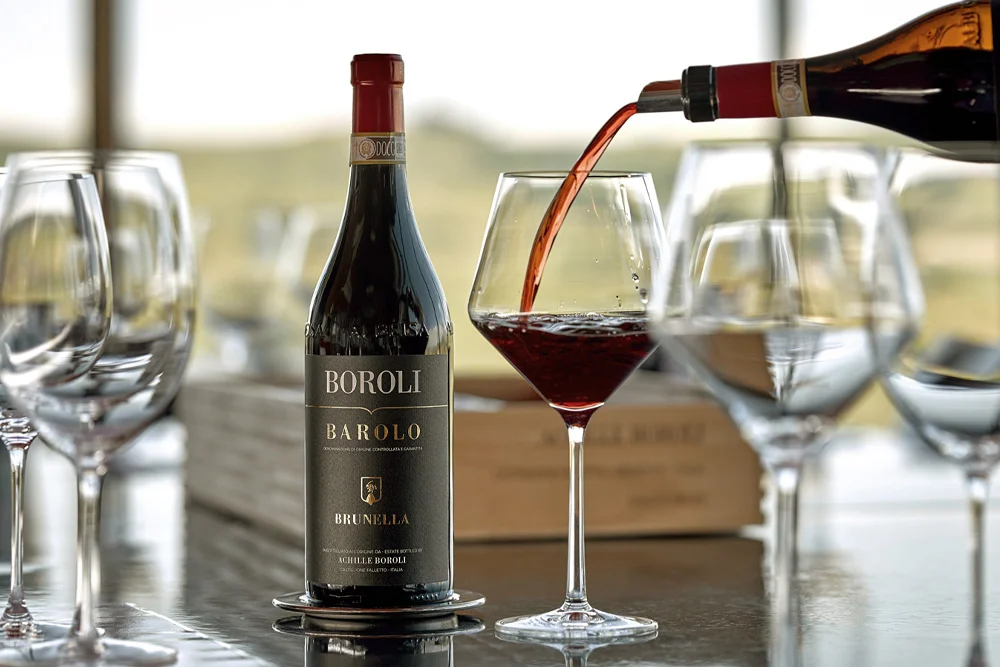
Boroli’s three Crus follow different evolution curves. Brunella is the longest-lived and most austere: ideal for those who want to wait and are looking for a wine for special occasions. Villero balances elegance and tension over time, and the 2021 vintage received a perfect score from Gardini Notes. Cerequio offers softness and depth, with clear aging potential evident even in the 2021 vintage. Pairing them with the vintages from the previous section is the first step toward building a well-considered collection.
Rely on Firsthand Experience
No guide can replace the experience of opening a bottle in the right setting. Those who have tasted Barolo in the cellar, in the hills of Castiglione Falletto, take home not just a bottle but a story and a compass for all future choices.
Tasting Barolo at a winery in the Langhe: the experience that lets you truly understand the vintage
Guides and ratings are useful tools. But a true understanding of Barolo vintages comes through the glass, the terroir, and the people who produce that wine every day.
Boroli is a family-owned winery founded in Castiglione Falletto in 1997, with documented roots in the region dating back to 1534. Achille Boroli, who leads the winery with a philosophy focused on total quality—a shift that began with a radical change in approach starting with the 2012 harvest—has developed a way of making Barolo that is first evident in the vineyards and then in the glass.
Visiting the winery means understanding why certain agronomic choices lead to specific results in the glass. Seeing the Brunella Cru, the family’s exclusive monopoly, on its sun-exposed hillside. Understanding what it means to produce nearly half of what the regulations would allow, in pursuit of quality rather than quantity. And tasting the different vintages with the person who produced them.
For those who truly love Barolo, it’s hard to imagine a more enlightening experience.
Conclusions
There is no such thing as an “absolute” best vintage for Barolo: it depends on who is drinking it, when, and for what purpose. An enthusiast building a wine cellar needs different criteria than someone looking for a bottle to open for dinner tomorrow night. What remains constant is the value of knowing the territory, the producers, and the seasons that have made each vintage unique.
Barolo from Castiglione Falletto, with its ancient soils and historic crus, offers one of the most faithful reflections of the vintage in the entire region. Tasting it and even better, tasting it vertically right where it’s made, is the most direct way to stop choosing a bottle at random and start truly understanding what’s in your glass. As they say in the Langhe: the vineyard makes the wine, but the vintage tells its story.
FAQ
What are the best Barolo vintages of the past twenty years?
Among the most celebrated vintages of the past two decades are 2016, considered by many critics to be the most balanced and age-worthy vintage, 2010, with its great structure and complexity, and 2013, appreciated for its classic elegance. Each vintage has its own characteristics, which depend on weather conditions and the production area.
How do you interpret the Barolo vintage rankings?
The official ranking is published by the Consorzio di Tutela Barolo Barbaresco Alba Langhe e Dogliani, which assigns ratings ranging from 1 to 5 stars. International wine guides (Wine Spectator, Wine Advocate) and Italian guides (Gambero Rosso, Veronelli) offer parallel evaluations. A five-star vintage indicates excellent weather conditions and wines with high aging potential.
The most talked-about recent vintages among critics are 2019 and 2021, both characterized by good phenolic development and excellent balance. For up-to-date evaluations, we recommend consulting industry guides and the Barolo Consortium.
What’s the best Barolo to drink right now?
It depends on personal preference. For those looking for a Barolo that’s already well-balanced, medium-bodied vintages with at least 8–10 years of aging are ideal. For those who prefer wines that are still tight and complex, the great recent vintages offer an intense experience but require decanting. A guided tasting at a winery is the best place to start in finding your own answer.
Does it make sense to do a vertical tasting of Barolo?
Absolutely, especially for those who want to understand how vintages influence the wine’s character. Comparing the same cru across different vintages is the most effective way to observe the wine’s evolution in the glass and refine your ability to choose.