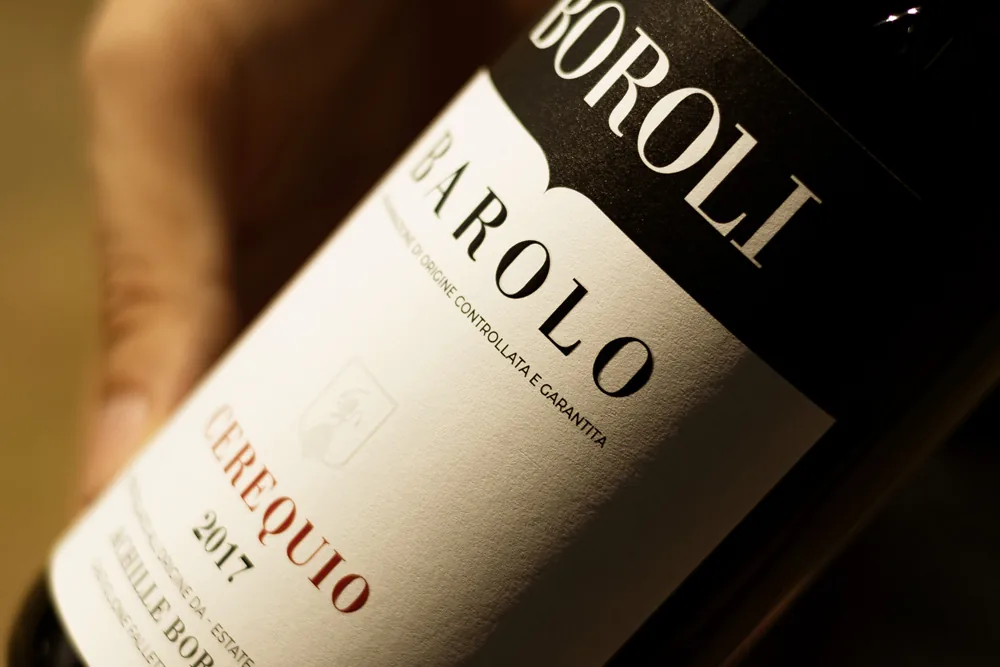
Cerequio, Brunella and Villero compared
Here is a quick summary of the main differences between the three vineyards, to help you find your bearings.
| Cru |
Village |
Distinctive trait |
| Cerequio |
La Morra / Barolo |
Elegance, balanced even when young |
| Brunella |
Castiglione Falletto |
Boroli’s exclusive vineyard, utmost recognizability |
| Villero |
Castiglione Falletto |
Firm tannins, great aging potential |
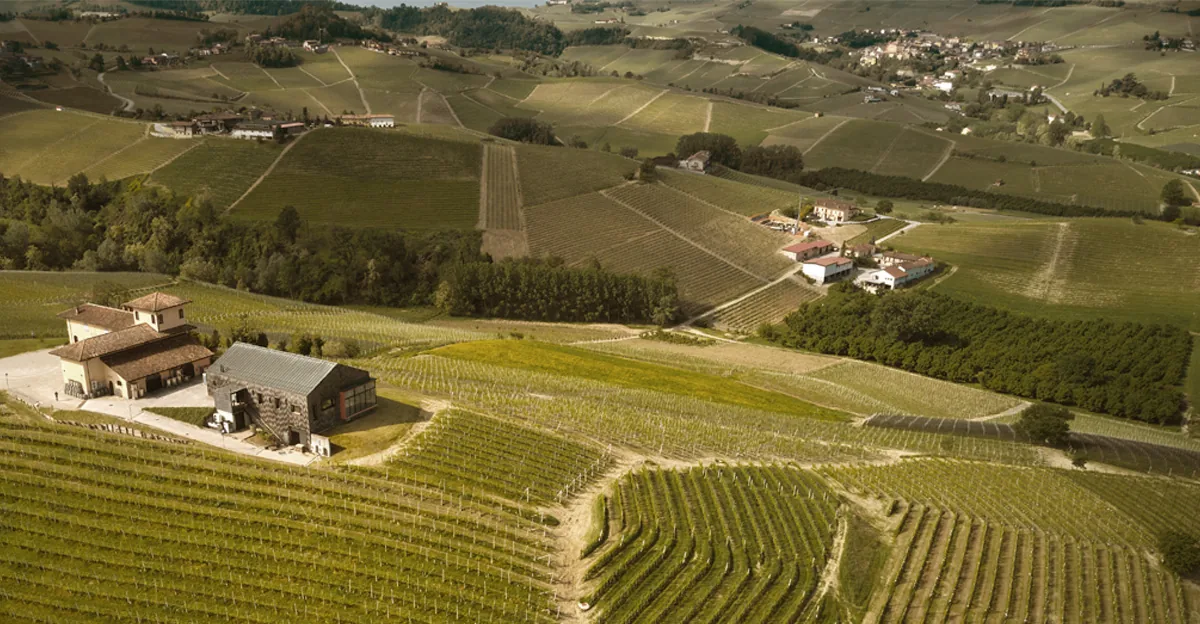
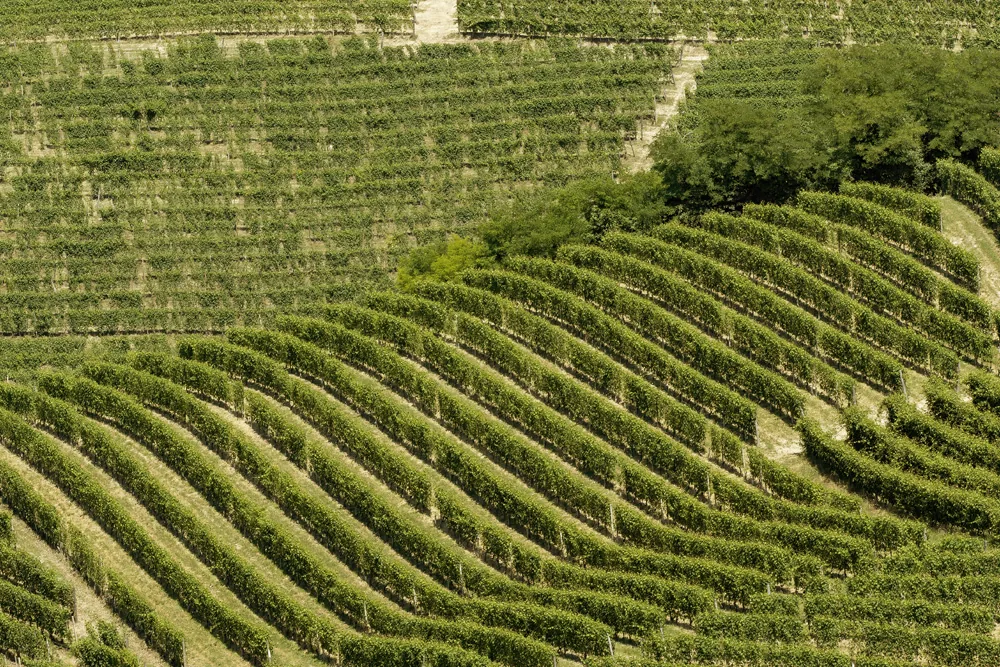
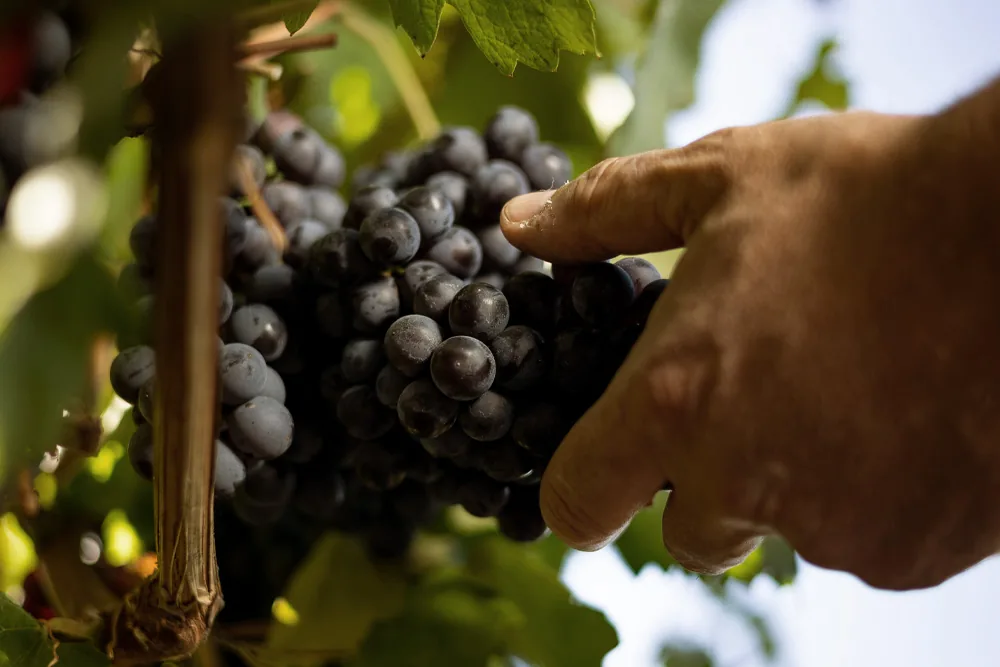
All three share the same commitment from Boroli in the vineyard: low yields, high vine density, hand harvesting. The differences you notice in the glass therefore come solely and exclusively from the place: the most concrete proof that the land, even more than the cellar, shapes the final character of the wine.
How place shapes aromas, tannins and aging potential
Sun, altitude and soil type directly influence three things you can perceive when tasting a wine: its aromas, the feel of the tannins in the mouth and the wine’s ability to improve over time.
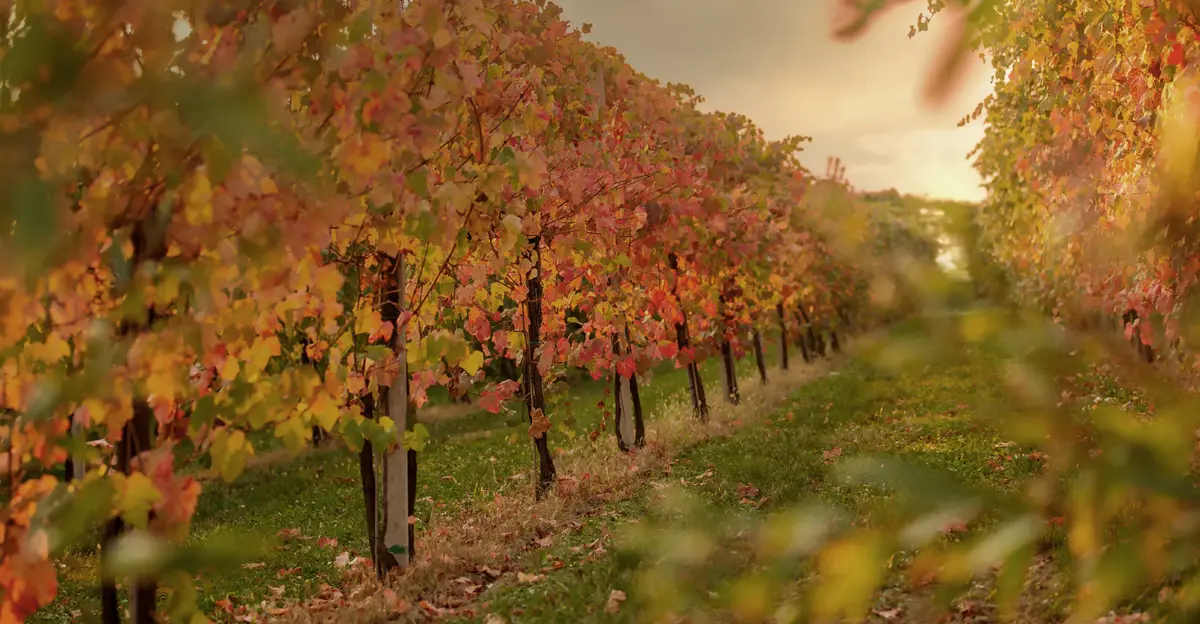
A very sunny, sheltered position, like that of Cerequio, encourages steady ripening of the grapes; in the glass, this often translates into more delicate, floral aromas and tannins that are already soft when young. A soil with more clay, like Villero‘s, retains more water and gives wines with firmer tannins and darker, spicier aromas, traits that need years in the bottle to soften and fully open up. The techniques used to work the wine after harvest also affect this journey. If you are curious, we have explored the stages of winemaking step by step.
Brunella, being an exclusive vineyard, offers Boroli something rare: the chance to observe over time how the very same land responds to different vintages, without any variables linked to other producers’ choices. It is a privileged vantage point on the link between vineyard care and the character of the wine, made even clearer by the change of method introduced by Achille Boroli starting with the 2012 harvest, both in the vineyard and in the cellar.
Why tasting several crus helps you understand Barolo
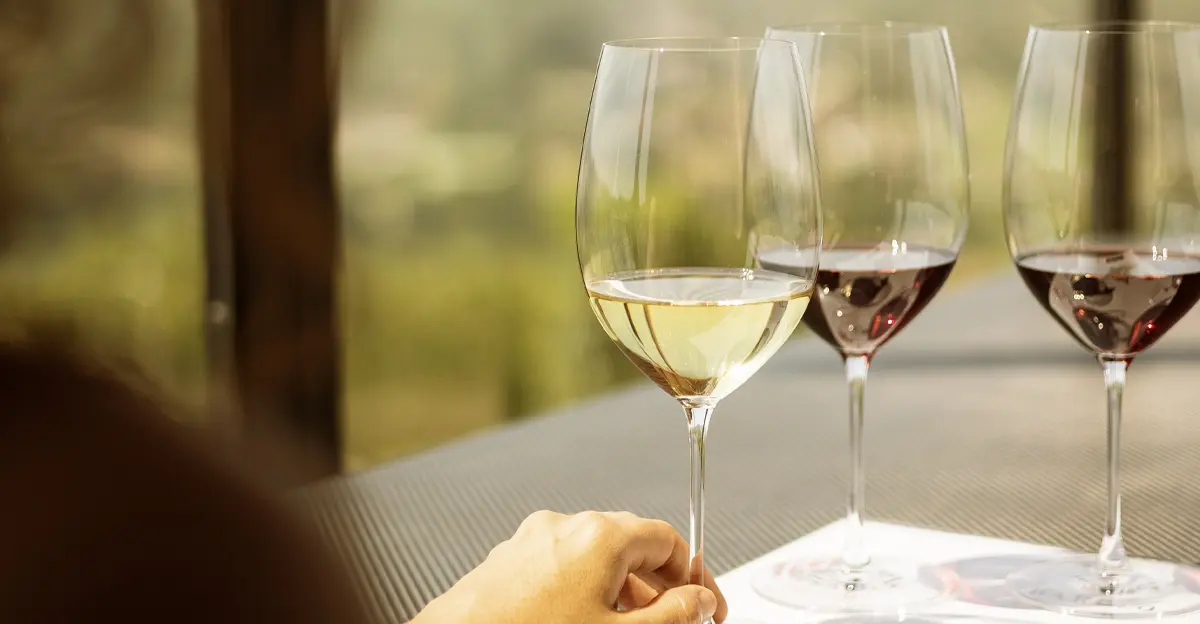
Tasting, one after another, wines that come from different vineyards but from the same winery and the same vintage is probably the easiest way to learn to recognize the “signature” of a place in a glass. It is an exercise that isolates a single variable, the place itself, while everything else stays the same: the winemaker’s hand, the vintage, the production philosophy.
For anyone just getting to know Barolo, this kind of comparative tasting turns an abstract notion into something concrete. It is no longer enough to read that Cerequio is elegant and Villero is powerful: you can actually taste it, glass after glass.
Tasting the Boroli crus: an experience for wine lovers
At the winery in Castiglione Falletto, Boroli offers visits designed precisely to let you discover these differences firsthand, explaining the link between the choices made in the vineyard and the character of each wine. To round off the experience, the connection with Locanda del Pilone, the Michelin-starred restaurant affiliated with the Boroli family, makes it possible to pair the different crus with dishes created specifically to bring them out.
Conclusion
Cerequio, Brunella and Villero tell three different ways of interpreting the same grape variety, the result of three distinct soils within the Barolo area of the Langhe. Cerequio’s elegance, Brunella’s uniqueness as Boroli’s exclusive vineyard and Villero’s enduring power show that talking about Barolo crus means, first and foremost, talking about territory. Knowing these differences helps you approach Barolo with a more informed eye, able to recognize not only the vintage, but the precise hill each bottle comes from.
Discover all Boroli wines
FAQ
How many Barolo crus are there?
Barolo’s official subzones, called MGAs, are very numerous and spread across the eleven villages of the appellation. For an up-to-date, accurate number, it is always best to refer to the official sources of the Consorzio di Tutela del Barolo (the Barolo protection consortium).
What are the Barolo crus?
Barolo crus largely coincide with the MGAs recognized by the production regulations. Among the best known are Cerequio, Brunella and Villero, along with many others spread across the different villages of the appellation, each with a distinct character shaped by its soil and exposure.
What are the best Barolo crus?
There is no official ranking: it depends on the style of wine you are looking for. A cru like Cerequio is prized for its elegance and approachability even when young, one like Villero for its power and long aging potential. It is more a matter of personal taste than of one cru being superior to another.
What does “cru wine” mean?
A cru wine is made from the grapes of a single defined vineyard, vinified on its own without blending it with other areas. It is the most direct way for a wine to express the precise place it comes from.